Hire Offshore Developers in 2026: Know Why & When
Every growing software company hits the same wall. You need more hands on deck, but local talent is expensive, scarce, or both. The answer for thousands of businesses, from early-stage startups to Fortune 500 enterprises, has been to hire offshore developers.
But offshore hiring is not a blanket solution. Do it right, and you ship faster, spend less, and build stronger products. Do it wrong and you're burning time on miscommunication, poor code, and missed deadlines. The difference comes down to knowing exactly why, when, and how to make the move.
Let's dive into everything you need to make that decision with confidence.
What It Actually Means to Hire Offshore Developers
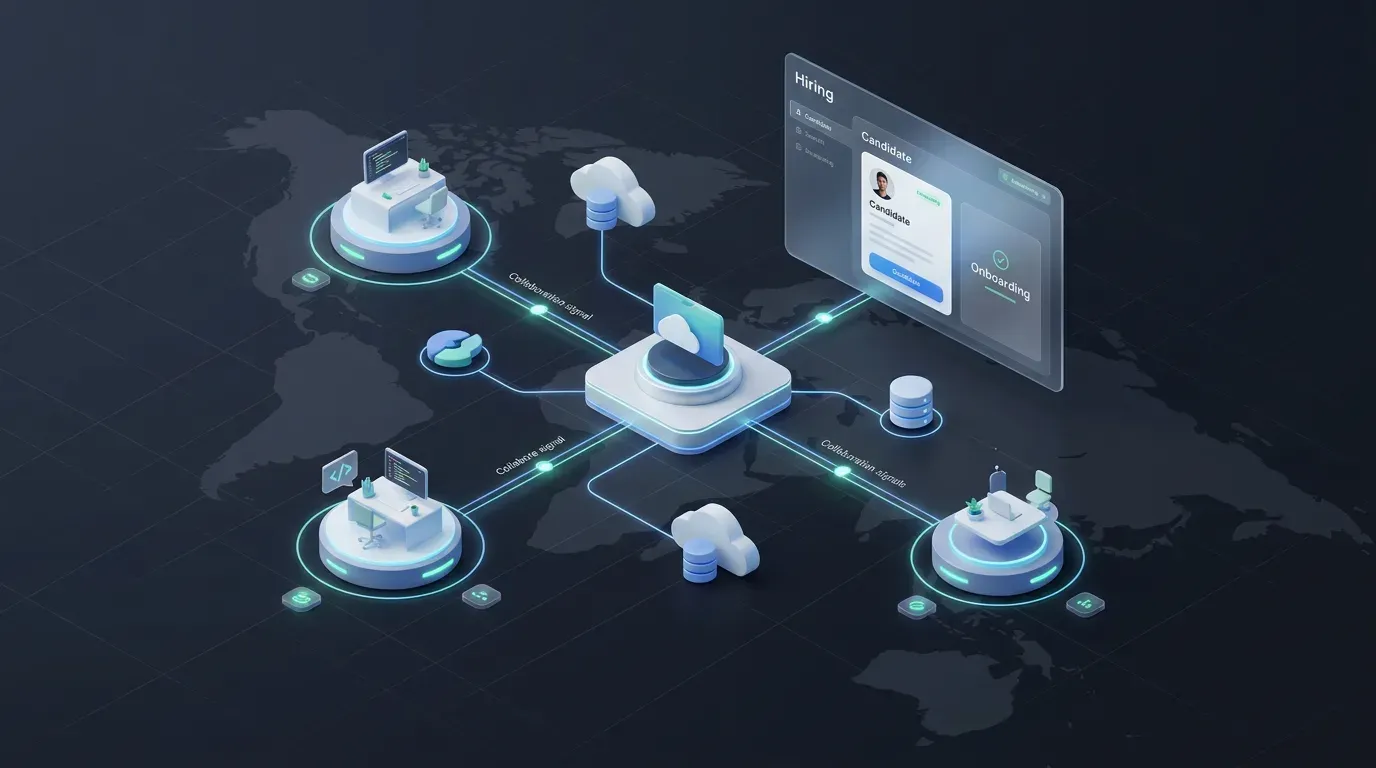
Hiring offshore developers means bringing software engineers based in a different country into your project, either as a dedicated team, individual contributors, or project-based contractors. These developers work remotely, typically through a staffing firm or offshore development company.
The term "hire dedicated offshore developers" refers specifically to a model where developers are assigned exclusively to your project, embedded into your workflows, and not shared across multiple clients. This is different from freelancers or project-based engagements, where the team rotates.
Why Companies Hire Offshore Developers in 2026
The reasons companies hire offshore dedicated developers have evolved well beyond simple cost-cutting. Today, the calculus involves speed, access to specialized skills, and operational flexibility.
Cost efficiency that scales. Developer salaries in the United States range from $120,000 to $200,000+ annually for mid to senior-level engineers. Offshore markets offer comparable skill levels at a fraction of that cost, without sacrificing technical quality when vetted correctly.
,Deloitte's Global Outsourcing Survey found that 70% of executives plan to increase outsourcing investment, citing cost reduction as a primary driver.
Access to a wider talent pool. The global developer shortage is real. By limiting hiring to your city or country, you cut yourself off from millions of qualified engineers. Offshore hiring opens the door to specialists in niche stacks, Rust, Solidity, ML infrastructure, that are difficult to find locally.
Faster time to market. With offshore teams in different time zones, development can run in near-continuous cycles. While your local team wraps up for the day, an offshore team in Asia picks up and keeps progress moving. This has compressed typical product launch timelines significantly.
Scalability without overhead. Scaling an in-house team means recruiting, onboarding, providing equipment, and managing benefits. Scaling an offshore team can happen in weeks. When a project wraps, you scale back down without layoffs or restructuring.
What Does It Cost to Hire Offshore Developers? A Regional Breakdown
One of the most important, and least covered, aspects of offshore hiring is actual cost. Hourly rates vary significantly by region, tech stack, and seniority.
| Region | Avg. Hourly Rate (2026) | Key Strengths |
India | $25 – $55/hr | Large talent pool; strong in web, mobile, AI/ML |
Eastern Europe (Ukraine, Poland, Romania) | $40 – $75/hr | Strong in systems, backend, fintech; nearshore for EU |
Latin America (Mexico, Brazil, Colombia) | $35 – $65/hr | US time zone alignment; strong in full-stack |
Southeast Asia (Philippines, Vietnam) | $20 – $45/hr | Cost-effective; strong in QA, front-end, support |
These are broad ranges. Senior engineers with specialized skills in AI, blockchain, or cloud infrastructure will command rates at the top end or beyond. Even the highest offshore rates typically sit 40–60% below comparable US or UK salaries.
Three Engagement Models When You Hire Offshore Developers
How you structure the engagement matters as much as who you hire. There are three primary models:
Dedicated Team Model. A group of developers works exclusively on your project under your direction, typically for a medium-to-long engagement. You direct the work; the offshore company handles HR, payroll, and infrastructure. This is best for product companies with ongoing development needs.
Staff Augmentation. You bring in individual offshore developers to fill specific skill gaps in your existing team. They integrate directly into your workflows, tools, and standups. This model works well when you need to scale quickly or cover a specialized role temporarily.
Project-Based (Fixed Scope). You hand off a well-defined scope to an offshore team, and they deliver a finished product. This suits discrete projects, an MVP, a migration, or a standalone feature, where you want predictable cost and timeline.
Partner with Us for Success
Experience seamless collaboration and exceptional results.
Choosing the wrong model is one of the most common offshore hiring mistakes. A startup building its first product typically needs staff augmentation or a dedicated team, not a fixed-scope handoff where requirements are still evolving.
When to Hire Offshore Developers
Timing shapes outcomes in offshore hiring. Here are the clearest signals that the moment is right:
Your hiring pipeline has stalled. If you've been searching for a senior backend engineer for months and found nothing viable locally, that's a signal. The offshore market often has immediate availability in stacks and roles that are chronically scarce in the US.
You have a tight budget but a real product to build. Early-stage startups often need to build fast without the runway for a full in-house team. Offshore hiring allows a $300K–$500K seed budget to go significantly further than it would with US-only hires.
You need to scale a team fast. A new contract, a product expansion, or a funding round can create sudden demand for engineering capacity. Offshore teams can onboard faster than local recruiting allows.
You're managing short-term, project-specific work. Full-time employees for a 4-month migration project are an inefficient model. Offshore contractors hired for the duration of the engagement are a better fit financially and operationally.
Your product requires 24/7 support or global coverage. Offshore teams in different time zones provide continuous coverage without requiring expensive on-call arrangements from local staff.
When NOT to Hire Offshore Developers
Offshore hiring is not always the right answer. Understanding where it breaks down prevents costly mistakes.
When the project involves highly sensitive IP
If you're building proprietary algorithms, classified systems, or core competitive technology, the legal and security complexity of offshore engagement may not be worth it. Jurisdiction issues around IP ownership and data privacy need careful legal review before you proceed.
When your internal team already has the capacity.
Outsourcing tasks your team can handle adds coordination overhead without benefit. Offshore teams work best when they fill genuine gaps, not when they duplicate existing capacity.
When communication overhead would outweigh the benefit.
Projects that require real-time, constant collaboration between business stakeholders and engineers are harder to run offshore. If your product decisions are highly dynamic and need daily input from non-technical leaders, a co-located team may serve you better.
When a partner pushes a fixed scope on a fuzzy scope.
Be cautious of offshore vendors who want to quote a fixed price on requirements that aren't fully defined. This is a recipe for scope creep disputes and cost overruns.
How to Hire Offshore Developers: A Practical Process
A structured hiring approach prevents most of the common failure modes.
1. Define the engagement model and scope first
Before reaching out to any vendor, clarify whether you need dedicated developers, staff augmentation, or a project team. Define the tech stack, team size, and expected engagement timeline.
2. Source from established channels
Reputable offshore development companies typically carry client reviews on platforms like Clutch or GoodFirms. Assess portfolio depth, client retention rates, and technology specialization, not just pricing.
3. Run a technical assessment
Don't hire offshore developers without a structured technical evaluation. This should include a code review, a practical assignment relevant to your stack, and a system design discussion with a senior engineer on your team.
4. Establish communication and reporting standards upfront
Define tools, standups, sprint cadences, and escalation paths before the engagement starts. Teams that agree on the process before code is written experience far fewer friction points.
Partner with Us for Success
Experience seamless collaboration and exceptional results.
5. Start with a paid trial
A 2–4 week paid trial project is one of the most effective ways to evaluate an offshore team before committing to a longer engagement. It reveals work quality, communication style, and delivery reliability in a low-risk context.
Red Flags to Watch For When Evaluating Offshore Teams
The offshore market includes excellent vendors and a significant number of mediocre ones. These warning signs apply regardless of region or company size:
- Unwillingness to provide references or verifiable case studies
- Vague answers about team structure, seniority mix, or developer allocation
- No clear IP assignment clause in the contract
- Resistance to code escrow or source code access during the engagement
- Quoting fixed prices on loosely defined scopes
- No defined escalation process for disputes or delivery issues
Build Your Offshore Team with F22 Labs
F22 Labs specializes in building dedicated offshore development teams for product companies that need to move fast without compromising engineering quality. Our teams integrate directly into your workflows, your tools, your standups, your standards.
Whether you're scaling an existing product, building an MVP, or filling a critical skills gap, we structure engagements around your goals, not ours. Reach out to discuss your requirements, and we'll put together a team built specifically for your stage and stack.
Frequently Asked Questions
What is the difference between offshore, nearshore, and onshore developers?
Offshore means developers in a distant country (e.g., India or the Philippines for US companies). Nearshore means a neighboring region with a similar time zone. Onshore means domestic. Offshore is cheapest; onshore offers the tightest collaboration.
How much does it cost to hire dedicated offshore developers in 2026?
Rates range from $20–$75/hr depending on region, seniority, and specialization. India and Southeast Asia offer the lowest rates; Eastern Europe commands premium rates with strong technical depth.
What is the dedicated team model in offshore development?
A group of developers assigned exclusively to your project, working under your direction. The offshore company handles HR and infrastructure. Best for product companies with ongoing engineering needs.
How do I protect my IP when hiring offshore developers?
Use contracts with explicit IP assignment clauses covering jurisdiction, data handling, confidentiality, and code ownership. Consult legal counsel familiar with the vendor's country's laws before signing.
How long does it take to onboard an offshore development team?
With an established vendor, onboarding a team of 3–5 developers typically takes 2–4 weeks, covering access provisioning, code walkthroughs, sprint setup, and communication alignment.