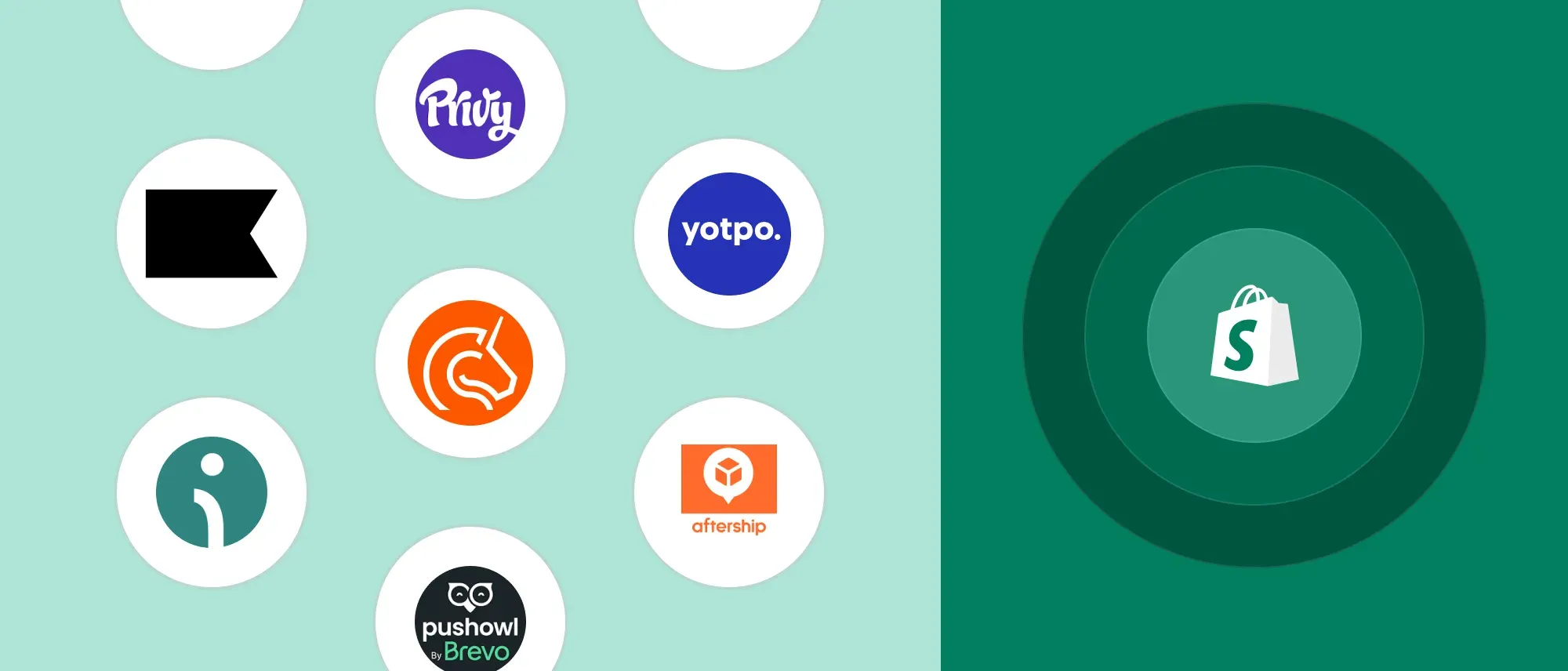
- Shopify Messaging is the simplest and most affordable starting point for stores that want to work inside Shopify.
- Klaviyo provides advanced segmentation, automation and customer-data functionality but has a steeper learning curve.
- Omnisend balances ecommerce automation with email, SMS and web push functionality.
- Seguno is suitable for merchants who want to build and manage campaigns inside Shopify Admin.
- Privy combines email marketing with pop-ups and other list-building tools.
- Brevo PushOwl is useful when web push notifications are central to the communication strategy.
- AfterShip combines email and SMS with pop-ups and selected onsite conversion tools.
- Compare contact limits, monthly sends, SMS charges and automation access, not only the advertised starting price.
- Open rates are less reliable because of email privacy features; prioritise clicks, conversions, revenue per recipient, unsubscribes and spam complaints.
- Obtain valid consent and comply with the email and SMS regulations applying to each customer’s location.
Shopify email marketing apps help merchants collect subscribers, send campaigns and automate communication across the customer journey. Common workflows include welcome emails, abandoned-cart reminders, post-purchase education, back-in-stock alerts, and win-back campaigns.
Based on our experience building and optimising more than 30 D2C Shopify stores, the right platform is not necessarily the one with the longest feature list. It is the one that matches the store’s audience size, automation requirements, internal expertise and communication channels.
This guide compares seven Shopify email marketing apps using their current features, pricing, integration depth and practical limitations. We reviewed official product pages and Shopify App Store listings in July 2026. Features and prices may change after publication.
Comparison of Top Shopify Email Marketing Apps
| App | Best for | Free option | Starting paid price* |
Shopify Messaging | Beginners and native Shopify campaigns | Yes | $1 per 1,000 emails after 10,000 free monthly emails |
Klaviyo | Advanced segmentation and automation | Yes | Email from $20/month |
Omnisend | Multichannel ecommerce marketing | Yes | Standard from $16/month |
Seguno | Email marketing inside Shopify Admin | Yes | Standard from $35/month |
Privy | Pop-ups, list growth and email | No full free plan | Pop-ups from $24/month; email from $30/month |
Brevo PushOwl | Email, SMS and web push | Yes | Paid bundle from $19/month |
AfterShip Email Marketing | Email, SMS and onsite conversion tools | Yes | Essentials from $11/month |
7 Best Shopify Email Marketing Apps for 2026
1. Shopify Messaging
Best for: Beginners and merchants wanting native Shopify email marketing
Pricing: Free to install; the first 10,000 emails each month are free, followed by pricing from $1 per 1,000 emails
Shopify Messaging allows merchants to create email and SMS campaigns from Shopify Admin. It uses existing customer segments, products, discounts and store branding, reducing the number of external systems that need to be configured.
The application supports campaign templates, product content, automation and performance reporting. Its close connection with Shopify makes it a practical starting point for smaller stores or teams with straightforward requirements.
Key features:
- Native Shopify customer segments
- Email and SMS campaigns
- Product and discount integration
- Campaign templates
- Sidekick-assisted editing
- Marketing automations
- Click and conversion reporting
- Direct purchasing from supported messages
Consideration: Shopify Messaging is easy to operate but offers less automation flexibility and analytical depth than Klaviyo or Omnisend.
2. Klaviyo
Best for: Advanced segmentation, personalisation and lifecycle automation
Pricing: Free for up to 250 contacts and 500 monthly emails; email plans start at $20 per month for 251–500 contacts
Klaviyo is an e-commerce marketing platform offering email, SMS, WhatsApp, mobile push and customer-data functionality. Its Shopify integration synchronises customer profiles, order history and behavioural events that can be used in segments and automated flows.
The platform is well suited to stores running detailed welcome, browse-abandonment, cart-recovery, post-purchase and win-back programmes. Predictive analytics and product recommendations provide additional options for established brands with sufficient customer data.
Key features:
- Behaviour-based segmentation
- Automated customer flows
- Email, SMS and WhatsApp
- Product recommendations
- Predictive analytics
- A/B testing
- Send-time optimisation
- Revenue attribution
- Forms and pop-ups
Consideration: Klaviyo’s pricing rises with active profiles, and its range of settings can be difficult for teams without lifecycle-marketing experience.
3. Omnisend
Best for: Coordinating email, SMS and web push campaigns
Pricing: Free for up to 250 contacts and 500 monthly emails; Standard starts at $16 per month
Omnisend provides ecommerce email marketing, SMS, web push notifications, forms and automation workflows. Its Shopify integration synchronises customer, product and order information for use in campaigns and segments.
Pre-built workflows cover common requirements such as welcome messages, abandoned carts and post-purchase communication. The platform occupies a useful middle ground between Shopify’s simpler native option and Klaviyo’s more extensive customer-data functionality.
Need Help With Shopify Development?
We build fast, custom Shopify stores designed to drive more sales.
Key features:
- Email campaigns and newsletters
- SMS marketing
- Web push notifications
- Pre-built automations
- Pop-ups and forms
- AI-assisted content and segments
- Product recommendations
- Dynamic content
- Advanced reporting on higher plans
Consideration: Contact-based pricing increases as the list grows. Some recent reviews also mention account verification, deliverability or support delays, so complete domain authentication before migrating campaigns.
4. Seguno Email Marketing
Best for: Creating and managing campaigns inside Shopify Admin
Pricing: Free for up to 250 subscribers; Standard starts at $35 per month for up to 2,500 subscribers
Seguno is built specifically for Shopify and allows merchants to create campaigns, access customer segments and insert products and discounts without leaving Shopify Admin.
It includes pre-built automations, back-in-stock alerts, cart-abandonment emails and Canva integration. This native workflow can suit small and medium-sized teams that prefer Shopify’s interface over a separate marketing platform.
Key features:
- Shopify-native campaign management
- More than 200 templates
- Pre-built automations
- Abandoned-cart and browse-abandonment emails
- Back-in-stock alerts
- Canva integration
- Unique discount codes
- Sidekick support
- Campaign reporting
Consideration: Seguno supports email particularly well, but merchants needing advanced cross-channel journeys or extensive predictive segmentation may find Klaviyo or Omnisend more suitable.
5. Privy
Best for: List building, onsite pop-ups and email campaigns
Pricing: Pop-up plans start at $24 per month; email starts at $30 per month for up to 1,500 contacts
Privy combines email marketing with pop-ups, banners, forms and other subscriber-acquisition tools. It is particularly relevant to stores that want to grow an email list while managing onsite offers through the same platform.
Shopify customer and purchase information can be used for targeting and automation. Privy also supports abandoned-cart emails, product recommendations and SMS on eligible plans.
Key features:
- Email campaigns
- Welcome and cart-recovery automations
- Pop-ups and forms
- Exit-intent targeting
- Audience segmentation
- Product recommendations
- A/B testing
- SMS on eligible plans
- Third-party integrations
Consideration: Pricing may depend on contacts, page views and selected channels. Review usage limits carefully because costs can rise as store traffic and subscriber numbers grow.
6. Brevo PushOwl
Best for: Stores prioritising web push notifications alongside email and SMS
Pricing: Free plan available; the paid bundle starts at $19 per month
Brevo PushOwl combines web push notifications with email, SMS, pop-ups and ecommerce automation. Unlike contact-based platforms, its current paid bundle advertises unlimited contacts, although message limits and functionality vary by plan.
It is useful for stores that want to reach customers through browser notifications for abandoned carts, price changes, restocks and limited promotions.
Key features:
- Web push campaigns
- Email marketing
- SMS marketing
- Pop-ups
- Abandoned-cart automation
- Browse-abandonment automation on higher plans
- Restock and shipping notifications
- Segmentation
- Campaign analytics
Consideration: Push notifications require browser permission and should not be treated as a replacement for email. Some recent reviews report account restrictions or limited support on lower plans, so test the complete setup before migrating.
7. AfterShip Email Marketing
Best for: Email, SMS and onsite conversion tools in one application
Pricing: Free for 300 contacts and 3,000 emails; Essentials starts at $11 per month for up to 500 contacts
AfterShip Email Marketing combines campaigns and automated flows with pop-ups, web push notifications, audience segmentation and selected onsite conversion features.
It can suit stores already using other AfterShip products or merchants wanting email and onsite tools within one platform. Higher plans add product recommendations, countdown timers, price-drop emails and more advanced segmentation.
Key features:
- Email and SMS campaigns
- Automated email flows
- Audience segmentation
- Pop-ups and forms
- A/B testing
- Web push notifications
- Product recommendations on higher plans
- Price-drop and back-in-stock emails
- Campaign analytics
Consideration: Advanced functionality requires substantially more expensive plans. Recent merchant reviews include concerns about deliverability, unexpected upgrades and account restrictions, so monitor billing and sending status carefully.
Conclusion
The best Shopify email marketing app depends on the store’s size, technical requirements and retention strategy.
Need Help With Shopify Development?
We build fast, custom Shopify stores designed to drive more sales.
Shopify Messaging provides an affordable native starting point. Seguno keeps campaign management inside Shopify, while Privy emphasises list growth. Omnisend and Brevo PushOwl support multichannel communication, and Klaviyo provides the deepest segmentation and automation capabilities in this comparison. AfterShip combines messaging with onsite conversion tools.
Start with the workflows the store genuinely needs, calculate pricing at the expected contact volume and monitor deliverability, conversions and revenue—not only opens.
If implementing customer-data integrations or custom storefront capture forms requires technical support, you can hire Shopify experts to configure and test the Shopify components.
Frequently Asked Questions
1. What is the best email marketing app for Shopify?
The best Shopify email marketing app depends on your requirements. Shopify Messaging suits beginners, Klaviyo supports advanced automation, Omnisend handles multichannel campaigns, and Seguno offers Shopify-native email management.
2. Does Shopify have a built-in email marketing tool?
Yes. Shopify Messaging allows merchants to create email campaigns, use customer segments, add products and discounts, and monitor results directly through Shopify Admin.
3. Is Klaviyo better than Shopify Messaging?
Klaviyo provides more advanced segmentation, automation, predictive analytics and lifecycle marketing features. Shopify Messaging is simpler and generally more affordable for stores with basic email marketing requirements.
4. What Shopify email automations should I set up first?
Start with welcome emails, abandoned-cart reminders, post-purchase messages, back-in-stock notifications and customer win-back campaigns. Prioritise automations according to your customer journey and available data.
5. Can I use multiple email marketing apps on Shopify?
You can, but overlapping applications may send duplicate emails or trigger conflicting automations. Choose one primary email platform and disable duplicate welcome, cart-recovery and post-purchase workflows during migration.
6. How should I measure Shopify email marketing performance?
Monitor click-through rate, conversion rate, revenue per recipient, automation revenue, bounce rate, unsubscribe rate and spam complaints. Treat open rates cautiously because privacy features can affect their accuracy.
7. Do Shopify email marketing apps also support SMS?
Several platforms—including Klaviyo, Omnisend, Privy, Brevo PushOwl and AfterShip—offer SMS features. Availability, pricing and consent requirements vary according to the plan and customer location.
8. How much does Shopify email marketing cost?
Costs depend on contact volume, monthly sends and selected channels. Some apps offer free allowances, while paid plans typically increase as subscriber numbers or messaging requirements grow.
9. Do I need customer consent before sending marketing emails?
Yes. Collect valid marketing consent, identify the sender and provide an unsubscribe option. Your requirements may vary under regulations such as GDPR, PECR, CAN-SPAM and other applicable privacy laws.