
13 Key Mobile App Features Every Mobile App Should Have

Mobile applications have become an inseparable part of everyday life, and I’ve experienced how deeply users rely on them in daily routines. According to Statista, mobile application downloads are projected to reach 143 billion from the Google Play Store, up by almost 30 percent from 111 billion downloads in 2021.
By comparison, consumers are expected to reach approximately 38 billion downloads from the Apple App Store in 2026, which clearly reflects the scale of the mobile app market. From what I’ve seen while working on mobile products, this level of competition makes it essential for businesses and developers to understand what truly defines a strong mobile application.
The following 13 essential features of mobile app development focus on the capabilities I’ve found most critical for building apps that stand out and succeed in an increasingly crowded marketplace.
13 Necessary Features of Mobile App Development
1. User Authentication and Account Management
Gone are the days when basic email-password combinations sufficed, and I’ve seen users abandon apps when login feels outdated or frustrating. Modern mobile app features demand authentication systems that are secure without disrupting the user experience.
As security concerns grow, biometric authentication has become particularly crucial, with users preferring fingerprint or facial recognition over traditional passwords.
Core Components:
- Multi-factor Authentication
- Social Media Integration
- Biometric Authentication
- Progressive User Profiling
- Session Management
Why it matters: Secure authentication directly impacts user trust and app adoption, and from my experience, users are far more likely to stay engaged when security feels effortless rather than intrusive.
Strong authentication systems reduce unauthorized access attempts while maintaining a smooth user experience. When users feel their data is secure, they're more likely to engage with premium features and make in-app purchases.
2. Payment and eCommerce Integration
Secure payment processing represents a critical characteristic of mobile applications in today’s market, and I’ve seen even small checkout friction reduce conversions. Modern apps must support multiple payment methods while maintaining robust security.
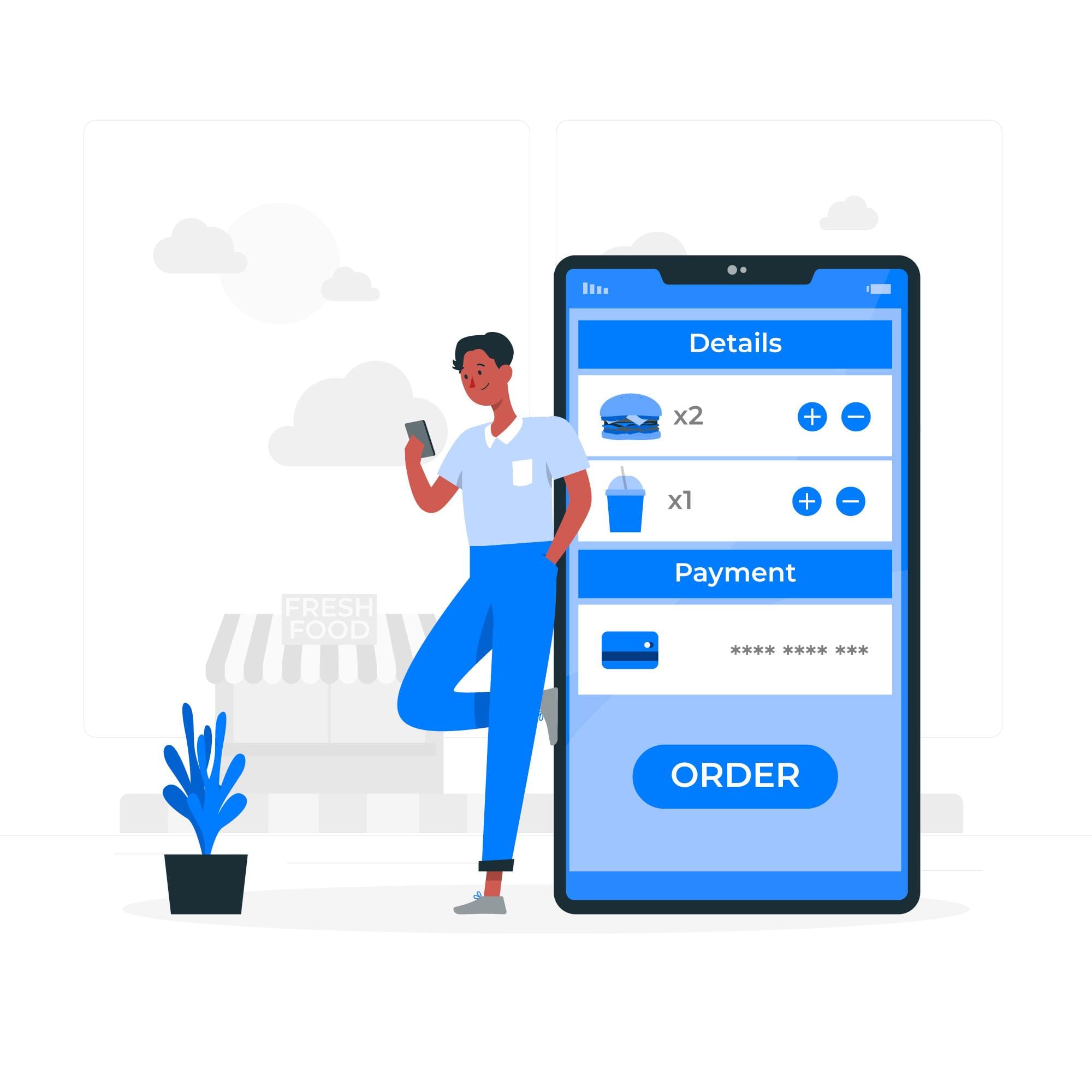
Essential Elements:
- Multiple Payment Gateway Support
- Credit/Debit Cards
- Digital Wallets
- Alternative Payment Methods
- Secure Transaction Processing
- Order Management
- Payment Analytics
Why it matters: Seamless payment integration directly affects conversion rates. Apps offering multiple payment options see an increase in completed transactions. Additionally, secure payment processing builds trust, leading to higher customer lifetime value and repeat purchases.
3. Admin Panel and Analytics
Robust administration tools have become indispensable features of mobile application development, and I’ve seen teams struggle when decisions aren’t backed by data. The ability to monitor, analyze, and optimize app performance in real-time can make the difference between success and failure.
Key Features:
- User Behavior Analytics
- Performance Monitoring
- Content Management
- User Permission Controls
- Real-time Reporting
Why it matters: Data-driven decision making is crucial for app success. Analytics help identify user pain points, optimize features, and improve engagement. Apps utilizing comprehensive analytics typically see an improvement in user retention and an increase in user satisfaction.
4. Security Implementation
Security stands as a fundamental characteristic of mobile applications in today’s privacy-conscious world, and I’ve seen trust decline quickly when it’s overlooked. Beyond basic encryption, modern security implementations must address multiple vulnerability points while maintaining user convenience, including privacy tools like a VPN for iOS to protect users on public networks.
Essential Security Features:
- End-to-end Encryption
- Secure Data Storage
- API Security
- Regular Security Audits
- Compliance Management
Build Lean. Learn Fast.
Launch an MVP that saves money while proving your concept works.
Why it matters: Security breaches can devastate user trust and business reputation. Strong security measures prevent data breaches, which cost companies an average of $4.88 million per IBM. Moreover, apps with strong security features see higher user confidence and increased engagement with sensitive features.
5. Multi-device Synchronization
In today's multi-device world, Seamless data synchronization has become a crucial feature of mobile application development, and I’ve seen users expect continuity without thinking about it. Users expect consistent experiences across all their devices.
Key Components:
- Real-time Data Syncing
- Conflict Resolution
- Offline Functionality
- Cross-platform Consistency
- State Preservation
Our cross-platform development guide explores effective strategies for maintaining data consistency across devices.
Why it matters: Effective synchronization enhances user experience significantly. Apps with seamless multi-device sync see higher user retention rates and longer session durations. Users who can seamlessly switch between devices are three times more likely to remain active users.
6. Push Notifications
Strategic push notifications remain one of the most effective mobile app features for engagement, and I’ve seen relevance decide success or failure. The key lies in delivering personalized, timely, and valuable notifications.

Implementation Aspects:
- Personalization Algorithms
- User Preference Management
- Timing Optimization
- Rich Media Support
- Analytics Integration
Why it matters: Well-implemented push notifications can increase user engagement by up to 88%. However, relevance is crucial - personalized notifications see higher engagement rates compared to generic ones. Apps with strategic push notifications experience 3-10x higher retention rates, making them one of the most effective mobile app development ideas for improving retention.
7. Accessibility Features
Modern characteristics of mobile applications must prioritize accessibility, and I’ve seen these features improve usability for everyone. This goes beyond basic screen reader support.
Core Features:
- Voice Navigation
- Screen Reader Optimization
- Dynamic Text Sizing
- Color Contrast Adjustments
- Alternative Text Implementation
Why it matters: Accessibility features expand your potential user base significantly. Over 1 billion people globally have some form of disability. Apps with robust accessibility features not only comply with regulations but also see up a wider user adoption and improved user satisfaction across all demographics.
8. Data Caching
Efficient data caching represents a crucial feature of mobile applications, and I’ve seen performance issues surface when it’s ignored.
Technical Components:
- Smart Preloading
- Offline Data Access
- Memory Management
- Cache Invalidation
- Performance Optimization
Why it matters: Proper caching reduces load times by up to 50% and server loads by 70%. Apps with efficient caching see 33% higher user satisfaction rates and 45% lower abandonment rates during poor network conditions.
9. Search Functionality
An intelligent search system has become a critical mobile app feature, and I’ve seen poor search frustrate users quickly. Modern search functionality must go beyond basic text matching.
Advanced Search Components:
- Predictive Text
- Voice Search Integration
- Filters and Categories
- Search History
- Relevance Ranking
Why it matters: Enhanced search functionality reduces user frustration significantly. Apps with advanced search features see 40% longer session durations and 25% higher conversion rates. Users who can quickly find what they're looking for are 60% more likely to become regular users.
10. User Interface Design
The UI design remains one of the most crucial characteristics of mobile applications. It's not just about aesthetics – it's about creating intuitive, efficient user experiences.
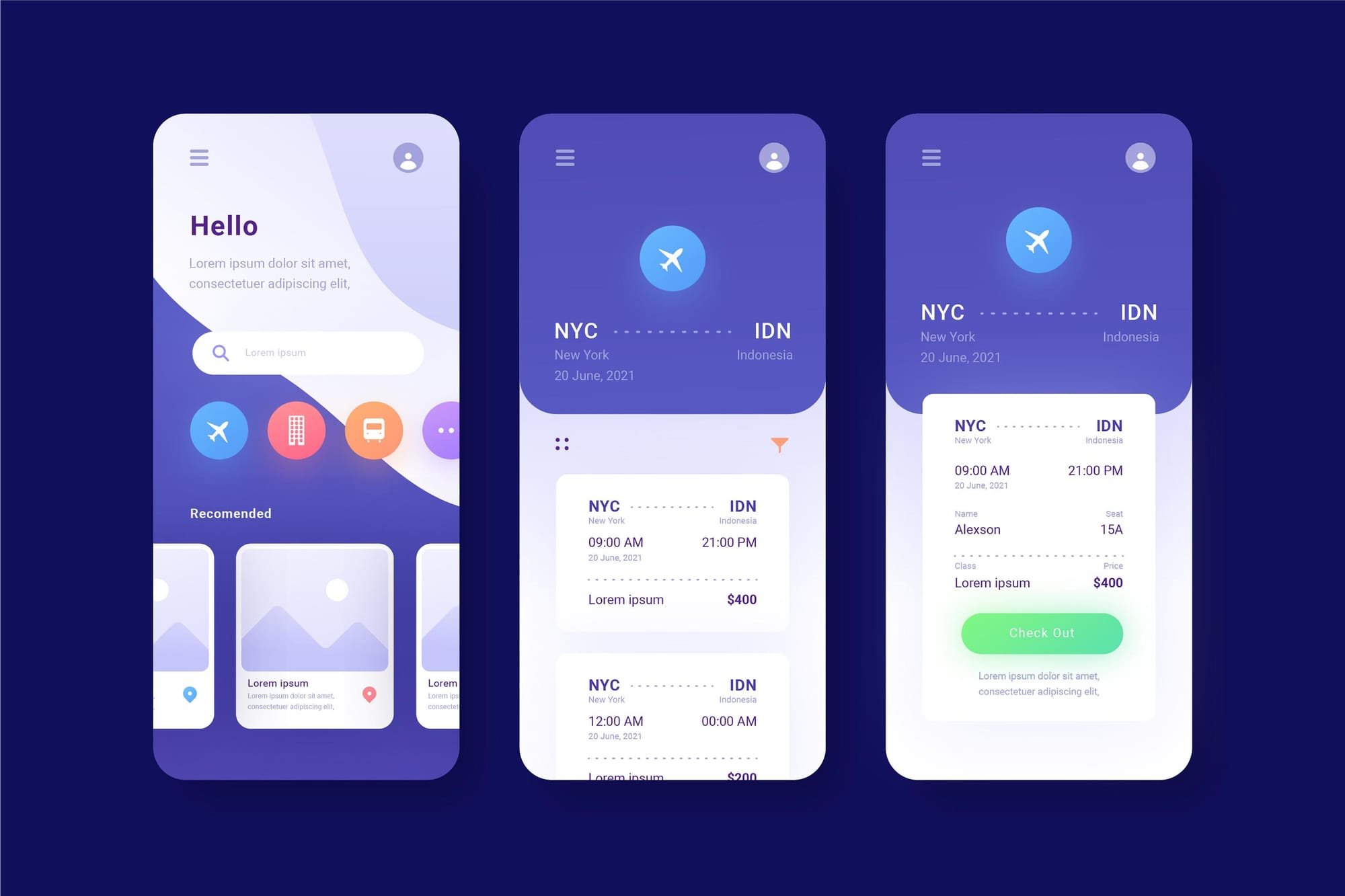
Essential Design Elements:
- Responsive Layouts
- Gesture Controls
- Visual Feedback
- Consistent Branding
- Intuitive Navigation
Build Lean. Learn Fast.
Launch an MVP that saves money while proving your concept works.
Why it matters: Strong UI design directly impacts user engagement. Apps with intuitive interfaces see 200% higher user satisfaction rates and 70% lower support ticket volumes. First-time users are 4x more likely to return when the interface is intuitive.
11. Messaging and User Engagement
Interactive communication features have become essential features of mobile app development, fostering community and user engagement.
Key Components:
- Real-time Chat
- Group Messaging
- Media Sharing
- Message Status
- Chat Backup
Why it matters: In-app messaging features increase user engagement by 150% and boost retention rates by 50%. Apps with social features see 2x higher user lifetime value compared to those without.
12. Location Services
Location-aware features represent vital mobile app features for providing personalized experiences.
Core Functionality:
- GPS Integration
- Geofencing
- Location-based Content
- Navigation
- Address Autocomplete
Why it matters: Location-aware apps see 45% higher engagement rates and 85% more relevant user interactions. Businesses using location-based features report 30% higher conversion rates for location-specific offers.
13. Performance Optimization
As the final crucial characteristic of mobile applications, performance optimization ensures smooth operation across all devices and conditions.
Optimization Areas:
- Load Time Reduction
- Battery Efficiency
- Memory Management
- Network Optimization
- Resource Utilization
Why it matters: Performance directly impacts user retention. Apps that load within 2 seconds have a 70% longer average session length. Optimized apps see 37% higher user satisfaction rates and 58% lower uninstall rates.
FAQs
1. What is required for a successful app?
A successful app requires a combination of factors, including a user-friendly interface, valuable features, robust performance, effective marketing, and ongoing support and updates.
2. What factors contribute to the success of a mobile app?
Key factors include addressing a real user need, providing a seamless user experience, effective marketing, regular updates, user engagement features, and strong security measures.
3. How often should I update my mobile app?
Regular updates are important for maintaining app quality and user interest. Aim for minor updates every 2-4 weeks to fix bugs and improve performance, with major feature updates every few months. The frequency may vary depending on your app's complexity and user feedback.
4. What security features should I implement in my mobile app?
Essential security features of mobile app development include data encryption, secure authentication methods, regular security audits, and compliance with data protection regulations like GDPR or CCPA.
5. What are the 3 most important things you would consider when developing a mobile app?
The three most crucial considerations are:
- User needs and market demand
- User experience and interface design
- Performance and reliability
Conclusion
Building a successful mobile app today is less about packing in features and more about making the right choices. The features outlined in this article reflect what consistently separates apps that feel reliable and intuitive from those users quietly abandon. From security and performance to usability and engagement, each element plays a role in shaping trust and long-term adoption.
I wrote this guide after seeing how small decisions in feature planning often have an outsized impact on user experience. When these fundamentals are implemented thoughtfully, they create apps that not only launch successfully but continue to deliver value as user expectations evolve.

Murtuza Kutub
A product development and growth expert, helping founders and startups build and grow their products at lightning speed with a track record of success. Apart from work, I love to Network & Travel.

Next for you
MVP Development
How SaaS Companies Can Align Product Development With Revenue Targets

MVP Development
7 Best Outsourcing Software Companies of 2026

MVP Development
MVP Design & Customer Advocacy: How to Build Products Users Love in 2026