Luxury e-commerce brands face a different sales challenge. Customers are not simply comparing prices; they are evaluating quality, craftsmanship, exclusivity, trust, and the overall buying experience before making a purchase.
This means increasing sales is not about running more discounts or reaching a wider audience. It requires attracting the right buyers, presenting products in a way that builds desire, reducing hesitation at key decision points, and creating reasons for customers to return.
In this guide, we explain the strategies that improve sales for luxury e-commerce brands, including premium creatives, high-intent paid media, conversion-focused product pages, personalized retargeting, and retention strategies that protect brand value.
Why Luxury E-Commerce Sales Need a Different Strategy?
1. Attract High-Intent Luxury Buyers With Paid Media
Luxury e-commerce brands need to reach shoppers who value craftsmanship, quality, and exclusivity, rather than focusing only on broad reach. Paid media helps identify and target buyers based on product interests, browsing behaviour, search intent, and previous engagement.
Use Meta Ads to build desire through premium visuals, collection launches, and occasion-focused creatives. Use Google Search and Shopping Ads to capture high-intent customers already searching for products such as luxury dresses, handcrafted jewellery, resort wear, or premium footwear.
Segment campaigns by product category, customer intent, location, and past interactions. This allows brands to deliver more relevant messaging, reduce wasted spend, and generate more sales without compromising their premium positioning.
2. Use Premium Creatives to Build Desire and Product Value
Luxury products need creatives that communicate value before the shopper sees the price. Instead of relying only on polished product shots, show the elements that justify the purchase: craftsmanship, fabric quality, detailing, fit, movement, and the occasion the product is made for.
For luxury campaigns, the most effective creative mix can include:
- Close-up visuals highlighting materials and fine details
- Lifestyle imagery that places the product in a premium setting
- Short videos showing movement, fit, and craftsmanship
- Occasion-led messaging for events, travel, gifting, or celebrations
A luxury creative should make the shopper want the product and understand its value without depending on frequent discount messaging.
3. Optimize Product Pages to Reduce Purchase Hesitation
Luxury shoppers often need more reassurance before completing a high-value purchase. Product pages should communicate quality through detailed imagery, close-up views, short videos, material information, sizing guidance, and care details.
Make delivery, returns, authenticity, and premium packaging information easy to find. For products with distinctive craftsmanship, highlight handmade details, limited production, or design finishes that justify the price and give buyers confidence to purchase.
This remains crisp, but adds the luxury-specific value missing from the earlier version.
4. Personalize Retargeting for High-Consideration Buyers
Luxury purchases often take longer because shoppers compare details, consider occasions, and decide whether the product justifies the investment. Retargeting should reflect this journey instead of repeatedly showing the same product ad.
Ads That Don't Burn Cash
Get a strategy built for ROI—not vanity metrics.
Show viewed products with messaging around craftsmanship, fit, exclusivity, or customer confidence. For higher-intent shoppers, use saved items, complementary recommendations, limited availability, or private shopping support to help them complete the purchase without relying on aggressive discounts.
5. Increase Sales Without Relying on Heavy Discounts
Frequent discounts can reduce the perceived value of luxury products and encourage customers to delay purchases until the next sale. Instead, brands can drive sales through limited collections, early access, exclusive launches, complimentary premium packaging, or priority delivery.
When incentives are required, offer them selectively to high-intent shoppers or loyal customers. This creates a reason to purchase while protecting brand exclusivity and long-term pricing value.
6. Use Concierge Support and Premium Service to Improve Conversions
Luxury shoppers may need assistance with sizing, styling, availability, gifting, or delivery before placing a high-value order. Offering live chat, WhatsApp support, virtual styling, or personal shopping assistance can remove doubts at the point of purchase.
Premium service should continue after checkout through thoughtful packaging, clear delivery updates, and responsive support. A smooth buying experience builds confidence, improves conversions, and encourages customers to return.
7. Drive Repeat Sales Through Retention and VIP Marketing
Luxury customers who have already purchased know the quality, service, and overall experience of the brand. This makes them more valuable than first-time visitors and more likely to purchase again when shown relevant products at the right time.
Use purchase history, browsing behaviour, and customer value to personalize retention campaigns. A customer who purchased an occasion dress may be interested in matching accessories or future eventwear, while a jewellery buyer may respond to anniversary, gifting, or new collection recommendations.
For high-value customers, offer VIP benefits such as early collection access, private previews, personalized product recommendations, or dedicated support. These experiences encourage repeat purchases without depending on discounts.
8. Track the Metrics That Improve Luxury E-Commerce Revenue
Improving sales for luxury e-commerce brands requires more than tracking clicks and overall revenue. Brands should identify which audiences, products, creatives, and channels attract customers willing to purchase at premium price points.
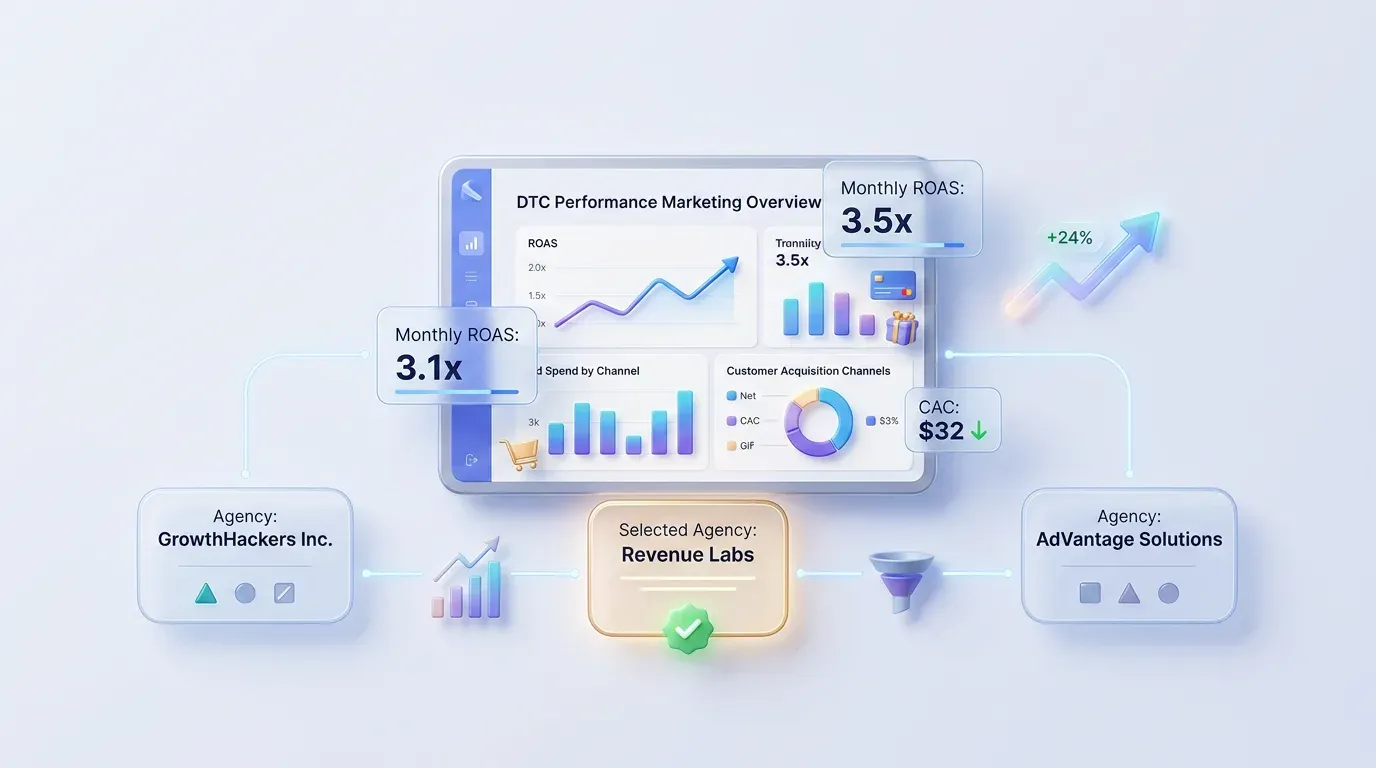
Focus on metrics such as ROAS, customer acquisition cost, average order value, product page conversion rate, repeat purchase rate, and revenue from returning customers. These reveal whether campaigns are driving profitable growth or simply generating traffic.
Review performance by product category and customer segment. This helps identify where to increase spend, which products need stronger positioning, and which retention strategies are contributing to long-term revenue.
How F22 Labs Helps Luxury E-Commerce Brands Increase Sales?
At F22 Labs, we help luxury e-commerce brands grow through performance marketing services built around premium positioning and measurable revenue. Our team manages Meta and Google Ads strategies that connect luxury products with high-intent buyers while maintaining the brand’s exclusivity.
From audience segmentation and creative testing to personalized retargeting and retention campaigns, we focus on improving ROAS, increasing conversions, and driving repeat sales across the customer journey.
For brands in fashion, jewellery, swimwear, footwear, and other premium categories, we build paid media strategies that turn product value into profitable growth.
Conclusion
Getting more sales for a luxury e-commerce brand is not about reaching everyone or relying on repeated discounts. It comes from reaching high-intent buyers, presenting products in a way that communicates value, and delivering a purchase experience that matches the brand’s premium positioning.
Ads That Don't Burn Cash
Get a strategy built for ROI—not vanity metrics.
With the right paid media, creative, retargeting, service, and retention strategies, luxury brands can increase revenue while protecting exclusivity and building stronger customer relationships.
Frequently Asked Questions
1. How can luxury e-commerce brands increase online sales?
Luxury brands can increase sales through premium creatives, high-intent paid media, optimized product pages, personalized retargeting, concierge support, and retention marketing.
2. Which paid advertising channels work best for luxury brands?
Meta Ads help build desire and product discovery, while Google Ads capture high-intent shoppers actively searching for premium products.
3. Should luxury e-commerce brands offer discounts?
Luxury brands should avoid frequent discounts. Limited access, premium packaging, priority delivery, and selective incentives can drive sales without reducing perceived value.
4. How can luxury product pages improve conversions?
Luxury product pages should include detailed visuals, videos, material information, sizing guidance, delivery details, returns, authenticity, and craftsmanship information.
5. Why is retargeting important for luxury products?
Luxury purchases often take longer. Personalized retargeting keeps products relevant and reassures interested shoppers before they make a high-value purchase.
6. How can luxury brands drive repeat purchases?
Luxury brands can use personalized recommendations, new collection updates, VIP access, private previews, and occasion-based campaigns to bring existing customers back.
7. What metrics should luxury e-commerce brands track?
Track ROAS, customer acquisition cost, average order value, product page conversion rate, repeat purchase rate, and revenue from returning customers.