Policy renewal is a simple moment that often gets complicated. Customers intend to renew, but calls are missed, reminders are ignored, and follow-ups get delayed. For insurance teams, this turns into repeated calls, manual tracking, and last-minute efforts to prevent policies from lapsing.
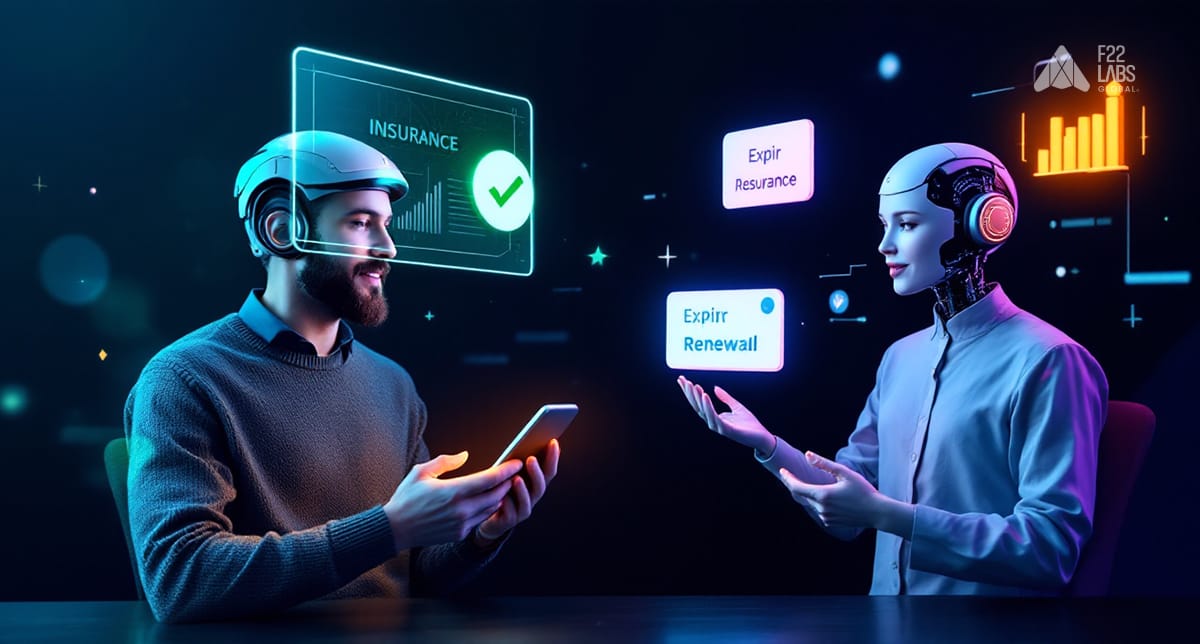
Most renewal workflows today still depend on human agents reaching customers at the right time. When that doesn’t happen, even loyal customers slip through. This is where an AI voice agent for insurance policy renewal fits naturally into the process. It reaches out on time, explains the renewal clearly, answers basic questions, and shares the payment link during the same call.
In this article, we explain how this AI voice renewal agent works in practice, how it fits into real insurance operations, and how it helps reduce lapse rates while keeping the renewal experience simple for customers.
How This AI Voice Renewal Agent Compares to Traditional Renewal Methods
| Aspect | Traditional Renewal Process | AI Voice Agent for Policy Renewal |
| Renewal Trigger | Manual tracking by agents | Automatic, rule-based (e.g., 10 days before expiry) |
| Customer Reach | Depends on agent availability | Proactive outbound calls at scale |
| Conversation Style | Scripted, varies by agent | Consistent, natural voice conversation |
| Renewal Explanation | Agent-dependent | Clear, structured, policy-aware |
| FAQ Handling | Manual, repetitive | Built-in, instant responses |
| Payment Action | Shared later or via follow-up | Renewal link sent during the call |
| Follow-Ups | Manually scheduled | Automated, context-aware |
| Operational Load | High | Low, mostly automated |
How the AI Voice Agent for Insurance Policy Renewal Works
The AI voice agent for insurance policy renewal is designed as a proactive, outbound workflow that runs automatically 10 days before policy expiry. Its goal is simple: remind the customer, confirm renewal intent, share the renewal link instantly, handle basic questions, and record the outcome.
The agent follows a fixed, structured flow so that every call is consistent, compliant, and focused on closing the renewal.
Step 1: Greeting & Identity Verification
The call begins with a clear introduction and identity check.The agent confirms it is speaking to the right policyholder before sharing any details.
“Hi Rahul, this is your policy assistant from ABC Insurance. I’m calling to remind you that your motor insurance policy is expiring on 12th January.
If the user confirms, the agent proceeds.If the user denies, the agent politely exits the call.
This step ensures privacy and prevents data leakage.
Step 2: Context Setting
Once identity is verified, the agent sets context.
“Your policy number PL-2023-99872 is due for renewal in 10 days. Renewing now ensures your coverage continues without interruption.”
This makes the purpose of the call immediately clear and avoids confusion.
Step 3: Renewal Offer
The agent then moves directly into the renewal action.
“Would you like me to send you your renewal link now? You can complete payment in under 2 minutes.”
If the user agrees, the agent confirms the preferred channel:
“Should I send it to your registered mobile ending with 4821?”
Once confirmed, the agent triggers the backend system to send the renewal link via SMS acknowledges it:
“Done. I’ve sent your renewal link. It should arrive shortly.”
If the user says not now, the agent offers a reminder closer to the expiry date.
Step 4: Handle FAQs & Objections
If the user has questions, the agent handles them immediately.
For example:
Premium enquiry
“Your renewal premium is ₹6,200. It remains the same unless you change your coverage.”
Grace period
“Yes, there is usually a 30-day grace period after expiry, but your coverage will be paused until renewal.”
Coverage updates or riders
“You can review and update your coverage options through the renewal portal.”
Policy document

Walk away with actionable insights on AI adoption.
Limited seats available!

“Once payment is complete, the new policy document will be generated instantly.”
The agent answers only predefined, safe questions and does not provide advice beyond its scope.
Step 5: Capture Renewal Intent
At the end of the conversation, the agent records the customer’s intent in a structured format.
- Renewed
- Renewing soon
- Needs follow-up
- Not renewing
- Already renewed
If the user says “Already renewed”:
“That’s great. I’ll mark your renewal as completed. Thank you.”
If the user says “Not renewing”:
“Understood. May I note the reason – cost, switching insurer, or something else?”
This data is pushed to CRM or policy systems for reporting and follow-up.
Step 6: Close the Call
The agent closes the call politely and clearly.
“Thanks for your time, Rahul. I’ve recorded your response. If you need any help, you can reply to the message I just sent. Have a great day.”
The call ends. No upsell. No pressure. No confusion.
Benefits of Using an AI Voice Agent for Insurance Policy Renewal
Implementing an AI voice agent for policy renewals is not about experimentation. It is about improving one of the most important revenue touchpoints in the insurance lifecycle. When done right, it directly impacts renewal rates, operational efficiency, and customer experience.
1. Higher Renewal Conversion Rates
The biggest benefit is simple: more policies get renewed.
The AI agent reaches every customer on time, without delays or missed calls. It ensures that no renewal opportunity is lost due to agent unavailability, backlog, or human error. By proactively calling customers 10 days before expiry and offering an instant renewal link, the agent increases the chances of immediate action.
2. Lower Policy Lapse Rate
Many policies lapse not because customers want to leave, but because they forget or delay. The AI agent removes this risk by reminding customers at the right time and making renewal effortless. This directly reduces lapse rates and protects recurring revenue.
3. Reduced Load on Call Center Teams
Renewal calls are repetitive and high-volume. Human agents spend most of their time repeating the same script. With an AI voice agent handling first contact, reminders, and basic FAQs, human teams can focus only on:
- High-value customers
- Complex cases
- Objections that need human judgment
This significantly reduces burnout and improves team productivity.
4. Faster Cash Flow from Renewals
Because the AI sends the renewal link during the call, customers can complete payment immediately. There is no waiting, no follow-up dependency, and no delay in collection. This shortens the renewal cycle and improves cash flow predictability.
5. Consistent, Error-Free Communication
Human calls vary in quality. Some agents explain well, some rush, some forget details.
The AI agent:
- Always mentions expiry date
- Always explains next steps
- Always offers the renewal link
- Always records the outcome
This consistency improves trust and avoids miscommunication.
6. 24/7 Availability Without Extra Cost
The AI agent can call customers in the evening, on weekends, or outside office hours. This increases connect rates without increasing headcount. You get round-the-clock outreach without round-the-clock staffing.
7. Structured Renewal Data for Better Follow-Ups
Every call is logged with:
- Customer response
- Renewal intent
- Preferred channel
- Follow-up requirement
This gives operations and sales teams clear visibility into:
- Who has renewed
- Who needs follow-up
- Who is likely to churn
No more guesswork. No more messy spreadsheets.
8. Better Customer Experience
From the customer’s point of view:
- No waiting on hold
- No repeated calls from different agents
- No pressure selling
Just a clear reminder, a simple explanation, and an easy way to renew.
This improves brand perception and customer trust.
9. Easy to Scale During Peak Renewal Periods
Renewal volumes are not steady. They spike.
Walk away with actionable insights on AI adoption.
Limited seats available!
With human teams, scaling means hiring and training. With AI, scaling is instant. The agent can handle thousands of calls in parallel without breaking the flow.
This is especially valuable during:
- Month-end cycles
- Campaign pushes
- Policy migration phases
10. Lower Cost per Renewal
Over time, the cost of an AI-handled renewal call is significantly lower than a human-handled call. This reduces overall cost per renewal and improves margin. You get more renewals without proportionally increasing cost.
How the Voice Reminder Flow Works?
Once a policy enters the reminder window, the agent automatically places an outbound call to the registered number. The call opens with a clear introduction and identity check before sharing any policy information.
The agent then reminds the customer about the expiry date and explains the importance of renewing on time to avoid coverage interruption. It immediately offers to send the renewal link, keeping the conversation short and action-oriented.
If the customer agrees, the agent confirms the preferred channel and triggers the renewal link via SMS or email in real time. If the customer is not ready, the agent offers to schedule a reminder closer to the expiry date.
You can experience the agent in action using the link below. If you need a custom setup for your use case, our team can enable it quickly.
Why F22 Labs for AI Agents & Voice AI?
At F22 Labs, we specialise in designing and building custom AI agents, not just integrating off-the-shelf tools. In the past six months alone, we have built 50+ AI proofs of concept and delivered multiple production-grade solutions across voice AI, conversational AI, workflow automation, and intelligent agents.
Our work spans a wide range of use cases, including:
- AI voice agents for healthcare, sales, human resources, and operations
- Multi-step conversational workflows
- AI-powered screening and scheduling systems
- Domain-specific agents with built-in compliance guardrails
What sets us apart is speed without shortcuts. We do not force your process into a template. We design each agent around your business workflows, data, and operational constraints. This allows us to move from idea to a working AI agent quickly, without sacrificing depth, control, or reliability.
Whether you need a simple booking agent or a complex multi-agent system, we help you go from concept to live AI solution faster, with the flexibility your business actually needs.
Conclusion
Insurance policy renewal is a time-sensitive, revenue-critical process. Yet, it is still handled largely through manual calls, fragmented follow-ups, and overloaded teams. This is exactly where a focused, workflow-driven AI voice agent makes a real difference.
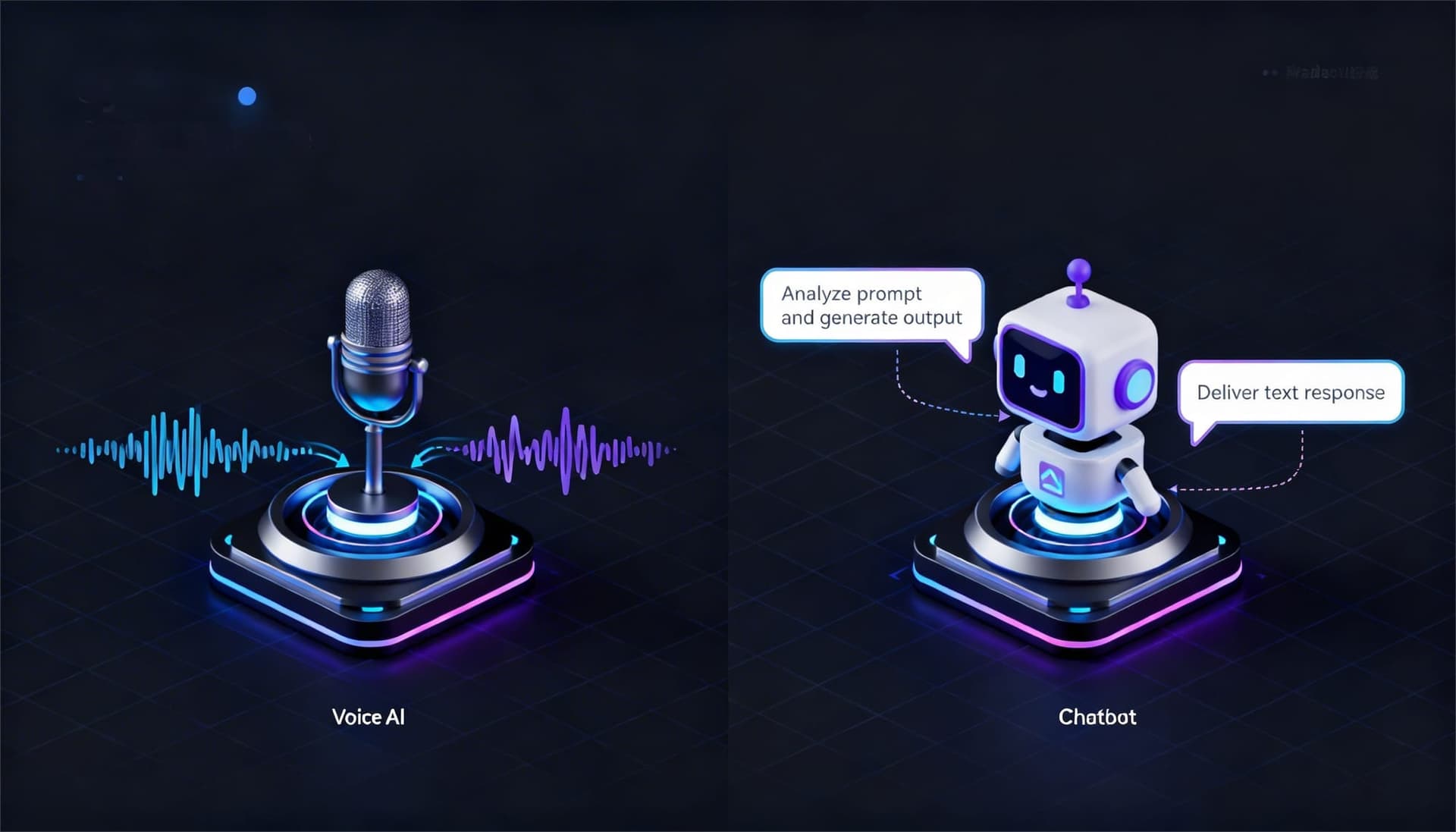
The AI Policy Renewal Voice Agent described in this PoC is not a generic chatbot or IVR replacement. It is a purpose-built system designed around real insurance renewal workflows. It verifies identity, sets context, offers instant renewal, handles common questions, captures intent, and closes the loop without human dependency.
By automating first contact and routine conversations, insurance teams can reduce lapse rates, improve renewal conversions, and free up human agents to focus on high-value interactions. At the same time, customers get a simpler, faster, and more predictable renewal experience.
This PoC demonstrates how voice AI can move beyond experimentation and become a practical, production-ready solution for insurance operations.
Frequently Asked Questions (FAQs)
1. Is this agent replacing human renewal agents?
No. The AI voice agent is designed to handle first contact, reminders, and routine conversations. Human agents are still used for complex cases, negotiations, and high-value customers. The goal is to reduce manual load, not remove human involvement.
2. When does the agent call the customer?
The agent is triggered 10 days before policy expiry by default. This window can be configured based on business rules, product type, or campaign strategy.
3. Can the agent handle different types of policies (motor, health, life, etc.)?
Yes. The agent can be configured with separate flows for different policy types, including motor, health, life, and commercial policies. Each flow can have its own messaging, FAQs, and objection-handling logic.
4. How does the agent verify customer identity?
The agent confirms the customer’s name before sharing any policy details. Additional verification layers (such as DOB, last 4 digits of policy number, etc.) can be added if required.
5. Can the agent send the renewal link via both SMS and email?
Yes. The agent asks the customer’s preferred channel and can send the renewal link via SMS, email, or WhatsApp based on configuration.

Kiruthika
I'm an AI/ML engineer passionate about developing cutting-edge solutions. I specialize in machine learning techniques to solve complex problems and drive innovation through data-driven insights.
Walk away with actionable insights on AI adoption.
Limited seats available!