The Role of AI in Software Testing
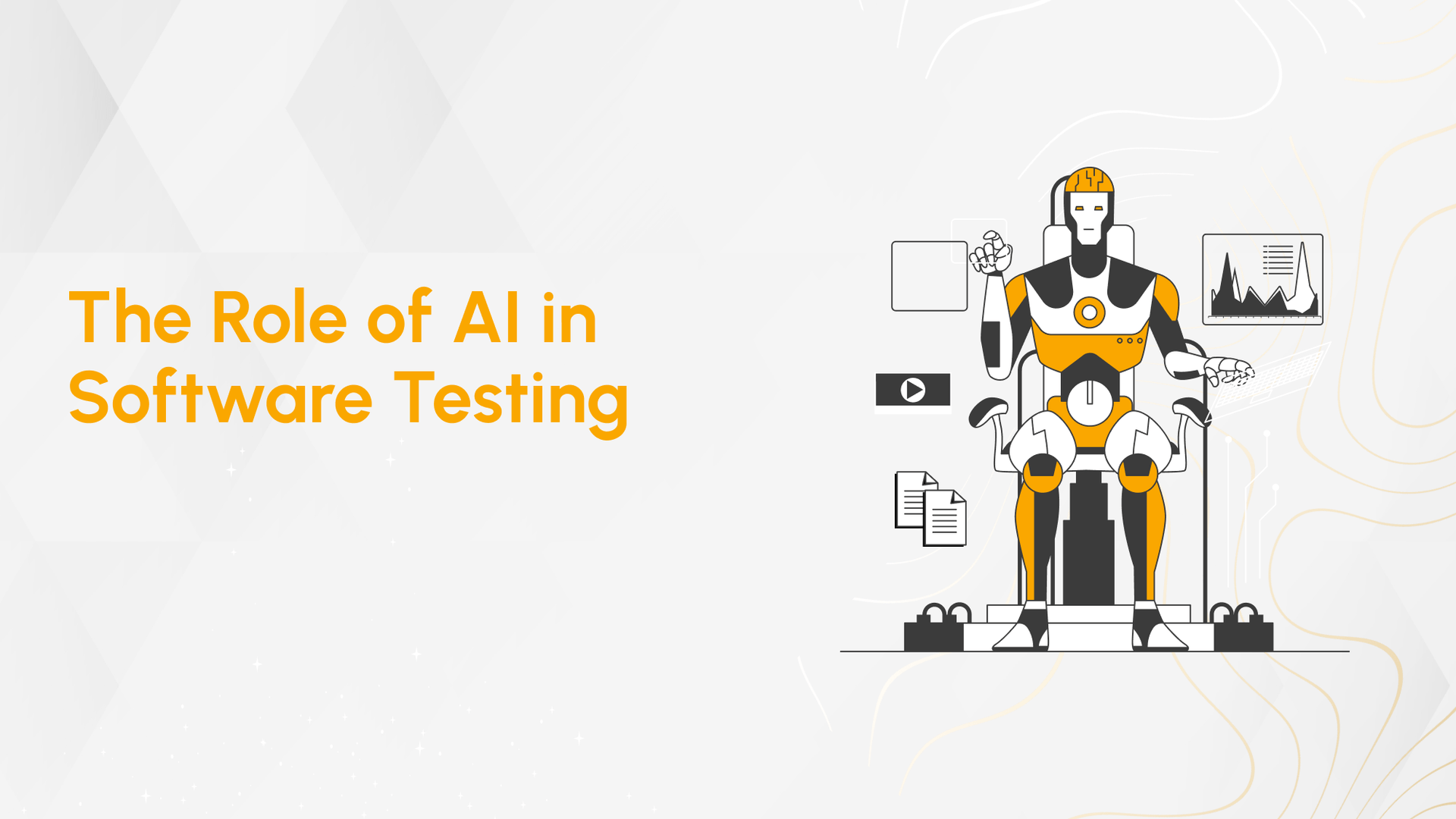
AI in software testing is no longer just about speeding up execution, it’s about improving how testing decisions are made. I used to think automation alone was enough, but the shift toward intelligence in testing is changing that. AI-driven testing enhances how software is validated by automating data analysis, detecting errors earlier, and improving overall reliability by automating data validation, error detection, and test execution.
Why Should We Consider AI in Software Testing?
Software release cycles have accelerated significantly, increasing the demand for faster and more reliable testing approaches.
Traditional testing methods struggle to keep up with this pace. AI introduces automation and intelligence that reduce manual effort while improving consistency.
Partnering with a reliable software testing company can further streamline this process and ensure higher-quality outcomes.
Benefits of Using AI for Software Testing:
- Continuous Testing
AI enables round-the-clock testing by automating repetitive processes and accelerating execution. - Reduced Human Error
Automated decision-making reduces inconsistencies and improves result accuracy. - Improved Test Coverage
AI generates comprehensive test cases, including edge scenarios often missed manually. - Cost Savings
Automation reduces reliance on manual testing and optimizes resource utilization. - Early Flaw Detection
AI identifies defects early using historical data and real-time analysis. - Test Case Generation
Test cases are automatically generated and updated based on code changes. - Effective Test Data Management
Large datasets are analyzed to create relevant and realistic test scenarios. - Detailed Reporting and Insights
AI provides actionable insights that improve debugging and decision-making. - Scalability
AI can handle large test suites without compromising efficiency. - Enhanced Security
Continuous scanning helps identify vulnerabilities and potential threats. - Higher Quality Software
Improved accuracy and coverage result in more reliable applications
Why Do We Need AI Software Testing?
AI introduces intelligence into testing workflows, enabling faster, more adaptive, and more precise validation.
- Test Automation
AI enables automated test creation, execution, and result analysis. - Defect Prediction and Analysis
Historical data is used to identify high-risk areas before failures occur. - Log Analysis
AI detects anomalies and patterns in large volumes of system logs. - Enhanced Test Case Generation
Test cases evolve based on input data and system changes. - Performance Testing
AI simulates large-scale user activity to validate system performance. - User Experience Testing
AI evaluates usability by simulating real user interactions. - CI/CD Integration
AI automates testing within pipelines to maintain quality at every stage. - Open-Source AI Tools
Accessible tools enable advanced testing capabilities across teams. - Bug Detection and Triage
AI prioritizes issues based on severity and impact. - Adaptive Testing
Testing strategies evolve dynamically based on feedback.
Sleep Easy Before Launch
We'll stress-test your app so users don't have to.
Benefits of AI in Test Automation
- Enhanced Accuracy
Advanced algorithms detect subtle defects often missed manually. - Expanded Test Coverage
AI adapts to changes, ensuring broader and more relevant testing. - Efficient Test Creation
Automation accelerates test creation and reduces repetitive work. - Streamlined Test Maintenance
AI adapts to changes, reducing manual updates and maintenance effort.
AI Usages in Testing
- Automating Unit Test Generation
AI generates comprehensive unit test suites for regression testing. - Automating Test Parameterization
AI enhances static analysis with dynamic test case adjustments. - Automating API Test Generation & Maintenance
Machine learning enables continuous API test creation and updates. - Generative AI for API Scenarios
AI automates scenario creation for improved coverage. - Self-Healing Selenium Tests
Machine learning adapts tests dynamically during execution.
Challenges of AI-based Software Testing:

- Insufficient Data Quality (USE THIS)
Accurate AI models depend on high-quality training data. - Cost and Complexity (USE THIS)
Implementation requires infrastructure and specialized expertise. - Model Bias (USE THIS)
AI may fail to detect issues outside learned patterns.
Conclusion
AI is transforming software testing from a reactive process into a predictive and adaptive system.
As software complexity increases, relying on manual or rule-based testing alone limits scalability and efficiency.
Adopting AI-driven testing ensures faster releases, better coverage, and improved reliability, making it a critical component of modern software development.
FAQ's
1. How can AI be used in testing?
AI can be used in software testing to automate repetitive tasks, predict defects using historical data, and generate test cases. AI in testing can enhance test coverage, improve accuracy, and save time.
Sleep Easy Before Launch
We'll stress-test your app so users don't have to.
2. Will AI take over software testing?
While AI is transforming software testing by automating many tasks, it won't completely take over. Human testers are still needed to handle complex scenarios and provide insights that AI testing tools can't replicate.
3. What are the 3 major benefits of using AI in software testing?
Three major benefits of using AI in software testing are increased accuracy, improved test coverage, and cost savings. AI testing tools can also help in detecting defects early and reducing human error.
4. Will AI take away QA jobs?
AI will not take away QA jobs but will change them. QA professionals will focus more on strategic tasks and complex problem-solving, while AI software testing tools handle repetitive and time-consuming tasks.

Swathi K
Passionate QA to ensure software quality through meticulous testing and attention to detail. Experienced in executing test cases, identifying defects, and collaborating with development teams.