10 Things To Consider While Hiring Remote Developers in 2026
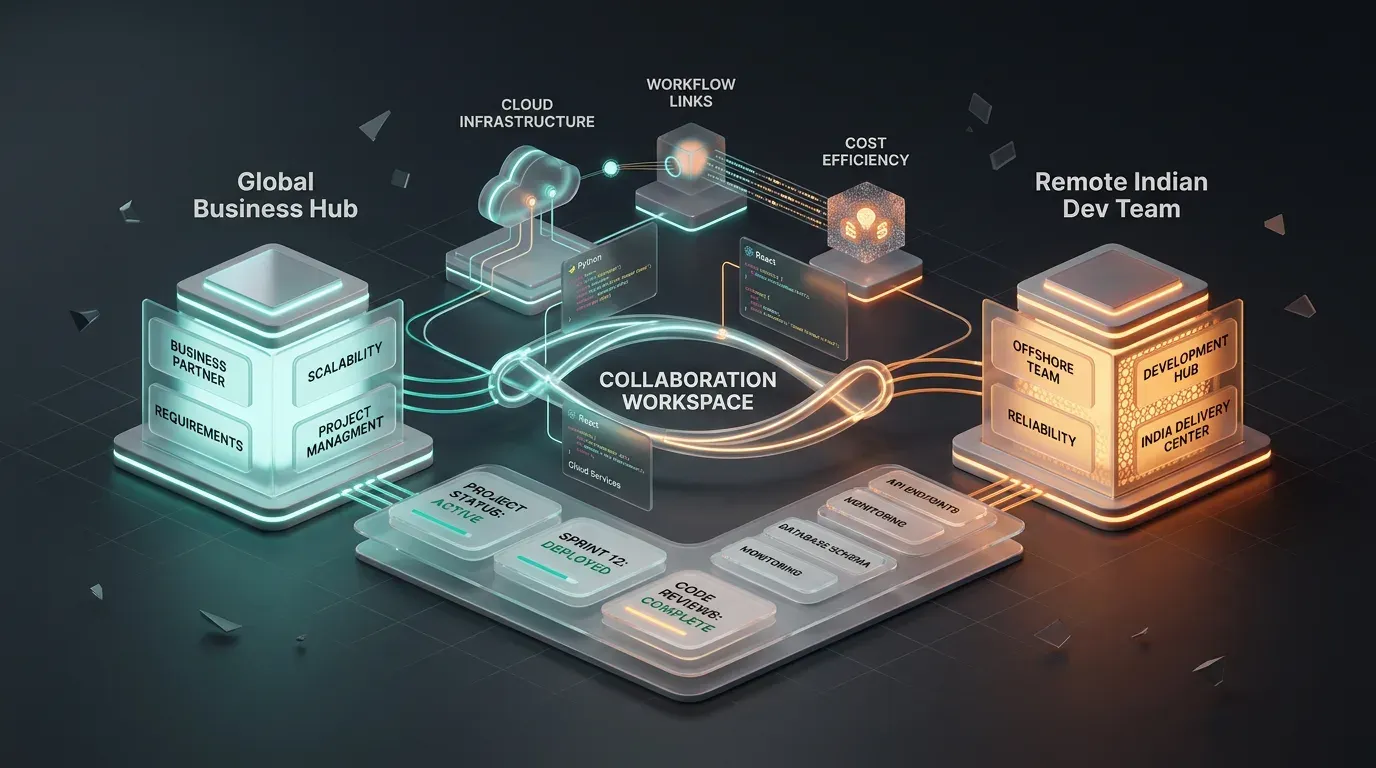
Hiring remote developers gives you access to a wider talent pool, lower costs, and faster team scaling. But a wrong hire in a remote setup is more costly than in an office, miscommunication compounds, oversight is limited, and replacing someone mid-project is disruptive.
The global demand for tech talent continues to outpace supply. That makes remote hiring not just an option but a necessity for most teams. Getting the process right from the start is what separates teams that scale smoothly from those that stall.
Here are the key factors to evaluate before making a hire.
1. Technical Skills and Expertise
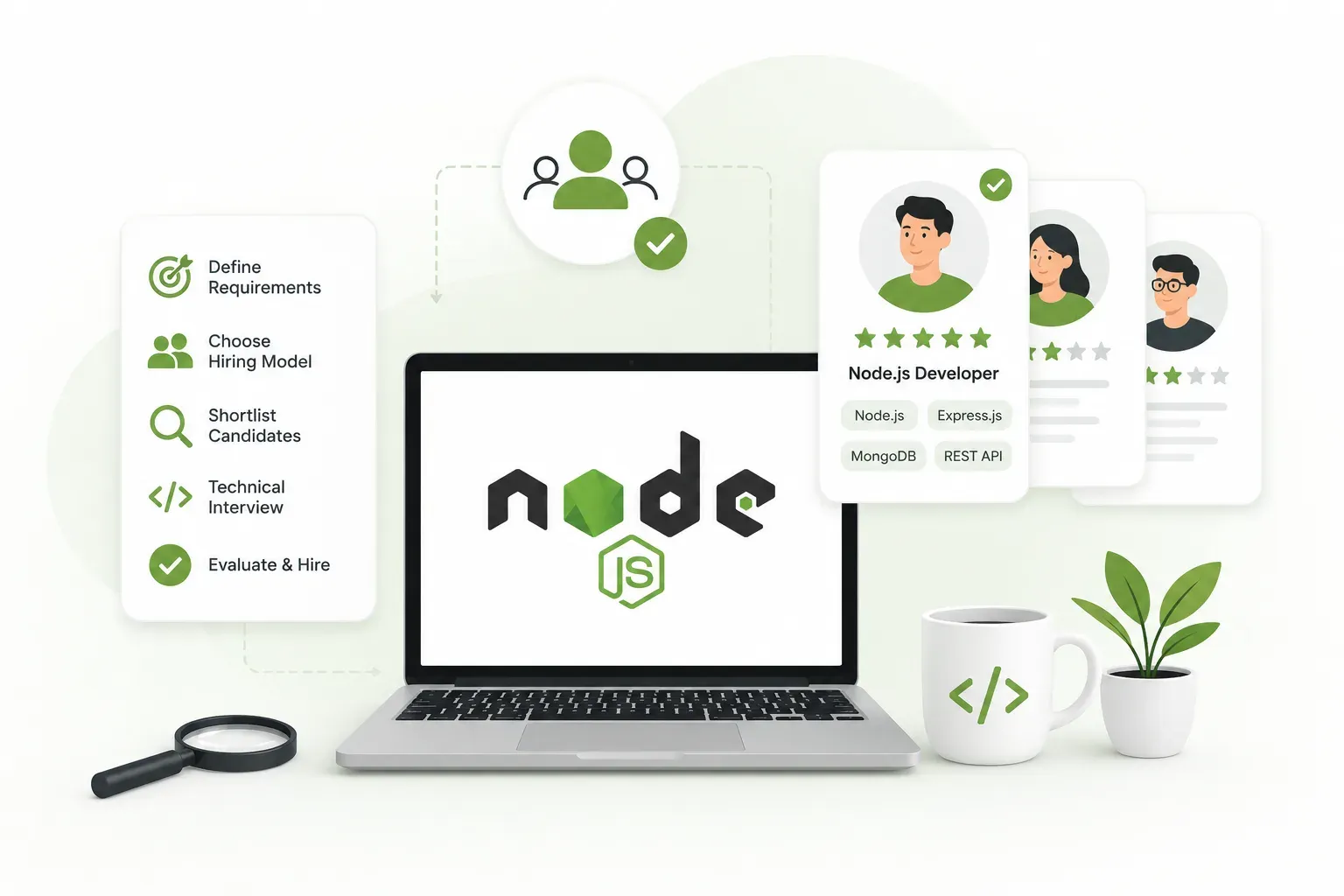
Start with the role requirement, not the résumé. Define the exact technologies, frameworks, and experience level the project needs before reviewing any candidates.
Look beyond the listed skills. Give candidates a practical task that mirrors actual work, not a whiteboard algorithm problem, but something closer to what they'll be doing on day one. Review their GitHub, portfolio, or past project contributions for code quality, documentation habits, and consistency.
Stack Overflow's Developer Survey consistently shows that the most effective developers combine technical depth with clarity in explaining their work. Both matter in a remote environment where written communication often replaces live discussion.
2. Communication and Collaboration
In a remote team, communication is a job skill, not a personality trait. A developer who writes clearly, asks precise questions, and provides regular updates without prompting is more valuable than one who codes well but communicates poorly.
During interviews, pay attention to how candidates explain their thought process, how they handle ambiguity in questions, and how quickly and clearly they respond between rounds. These patterns reflect exactly how they'll behave during the project.
Also, confirm comfort with tools your team already uses, Slack, Jira, Notion, GitHub, and their ability to work asynchronously without needing real-time handholding for every decision.
3. Time Zone Compatibility
Overlapping working hours matter more than most hiring managers account for. A developer 9–10 hours ahead or behind your core team creates a one-response-per-day loop that slows down code reviews, unblocking, and decision-making significantly.
Define your minimum overlap requirement before sourcing; typically, 3–4 shared hours is workable. If significant time zone gaps are unavoidable, establish async-first norms: detailed handoff notes, documented decisions, and async standups using tools like Loom or Geekbot.
Hiring developers in regions like Eastern Europe, India, or Southeast Asia can offer partial overlap with both the US and European time zones, which helps teams hiring dedicated remote developers collaborate more effectively.
4. Cultural Fit and Work Style
Culture fit in a remote team is less about shared values and more about shared working style. Does this developer prefer detailed specs before starting work, or do they work well with ambiguity? Are they used to daily check-ins or longer autonomous sprints? Do they push back constructively or just say yes?
Partner with Us for Success
Experience seamless collaboration and exceptional results.
These mismatches don't show up in technical assessments; they surface two weeks into the project. Use the interview process to probe working preferences directly. Ask how they've handled unclear requirements, disagreements with a PM, or a deadline they couldn't meet.
5. Self-Motivation and Reliability
Remote work removes the passive accountability of an office. A developer needs to manage their own time, flag blockers early, and deliver without reminders.
Look for candidates with a track record of remote work, specifically, not just freelance projects, but sustained collaboration with a team over time. Ask for specifics: how they structure their day, how they track their own progress, how they've handled projects that hit unexpected delays.
Short-term reliability indicators during hiring: response time to emails, meeting punctuality, follow-through on anything they said they'd send.
6. Vetting Process and References
Don't skip reference checks. A 10-minute call with a previous manager gives more signal than three rounds of technical interviews. Ask specifically about reliability, communication under pressure, and whether they'd hire this person again.
If hiring through a platform or agency, understand their vetting process. Pre-vetted talent pools from reputable firms reduce screening time significantly. If hiring independently via platforms like Toptal, Arc.dev, or LinkedIn, budget time for your own screening, résumés alone don't tell you enough.
7. Engagement Model
Choose the engagement model based on your actual need, not convenience. The three common options each serve different scenarios:
Freelancer- best for short, well-scoped tasks with clear deliverables and no need for team integration. Higher management overhead, no continuity.
Agency or development studio- best when you need a full team (PM, designers, developers) or need to move fast without building an internal process. Less direct control, but faster onboarding.
Dedicated remote developer- best when you need someone to function as a long-term team member, embedded in your workflow, accountable to your roadmap. Most effective for product companies.
Getting the model wrong, hiring a freelancer when you need a dedicated developer, or an agency when you need a single specialist, creates problems that no amount of management fixes.
8. Cost and Budget
Remote developer rates vary significantly by region. As a general benchmark based on industry salary data:
| Region | Avg. Hourly Rate |
USA / Canada | $80–$150/hr |
Western Europe | $60–$120/hr |
Eastern Europe | $35–$75/hr |
India | $20–$50/hr |
Southeast Asia | $20–$45/hr |
Cost should not be the only criterion. A developer billing $25/hr who needs constant correction costs more in total than one billing $50/hr who delivers independently. Evaluate cost relative to output quality, communication overhead, and time zone fit.
9. Security and Confidentiality
Before work begins, ensure the legal groundwork is in place. At minimum: a signed NDA covering project details and IP, and clarity on who owns code produced during the engagement.
For developers handling user data, payment systems, or proprietary business logic, verify their familiarity with data protection standards relevant to your market, GDPR for Europe, CCPA for California, and relevant local regulations. Ask specifically how they handle credential management, access controls, and code repository security.
10. Trial Period
Start with a paid trial before committing to a long-term contract. A 2–4 week trial on a real but lower-stakes task tells you more than any interview, code quality, communication style, deadline adherence, and how they handle feedback all become visible quickly.
Partner with Us for Success
Experience seamless collaboration and exceptional results.
Define what success looks like before the trial starts. Set clear deliverables and assess against them. This protects both sides and makes the decision to proceed straightforward.
Frequently Asked Questions
What's the biggest mistake when hiring remote developers?
Prioritizing cost over communication skills. A cheap developer who communicates poorly creates delays and rework that cost far more than the savings.
How do I assess a remote developer's reliability before hiring?
Check references, review their history of sustained remote work, and observe their responsiveness and follow-through during the interview process itself.
Should I hire a freelancer or a dedicated developer?
Freelancers suit short, scoped tasks. Dedicated developers suit long-term product work where team integration and continuity matter.
How many overlapping hours do I need with a remote developer?
A minimum of 3–4 overlapping hours per day makes collaboration workable. Less than that requires strong async-first processes to avoid delays.
Is a trial period necessary?
Yes. A paid 2–4 week trial on a real task gives you more signal than any amount of interviewing before you commit to a longer engagement.
Final Thoughts
Hiring the right remote developer comes down to being specific about what you need, technically, operationally, and culturally, before you start reviewing candidates. The factors above give you a structured way to evaluate each hire against what actually matters for remote collaboration.
If you're looking to hire pre-vetted remote developers without the overhead of sourcing and screening, F22 Labs offers a free consultation to help you find the right fit.