How to Build a Strong Startup Team
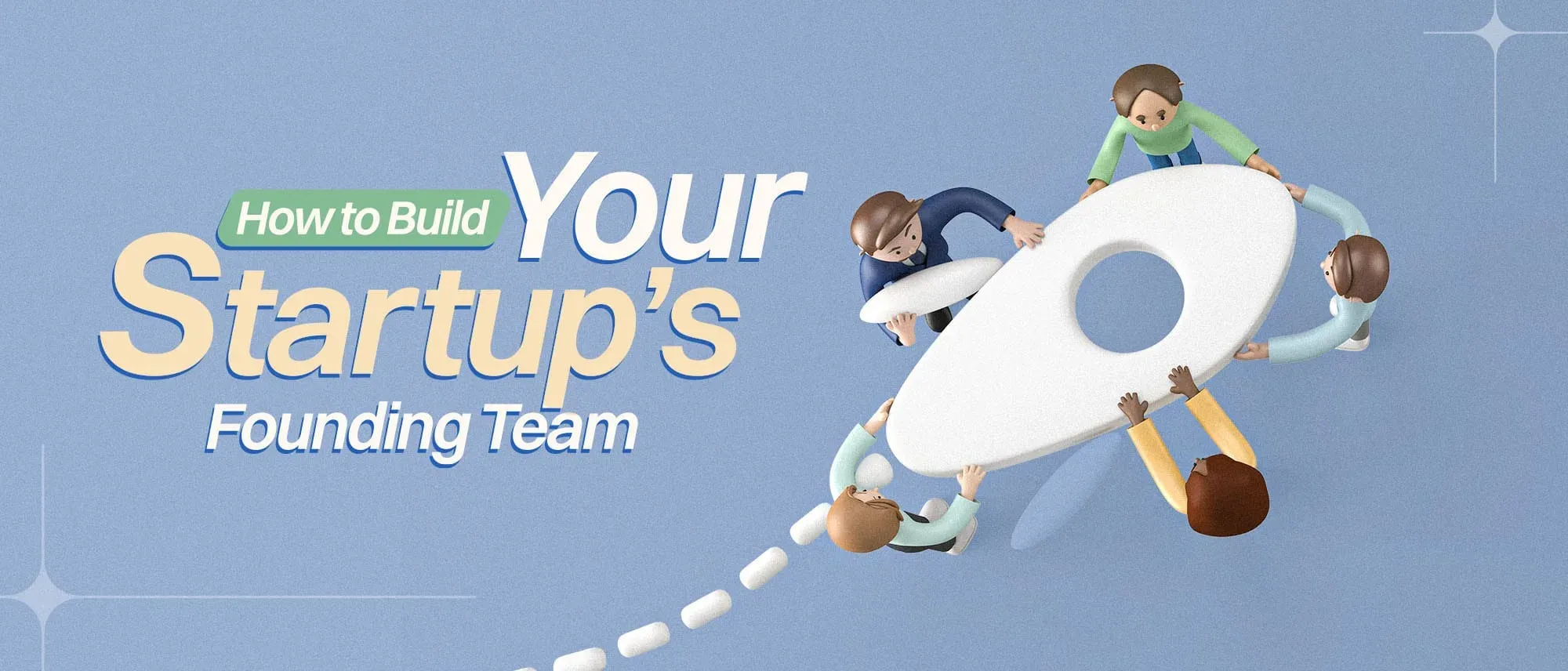
A startup idea alone is rarely enough to build a successful company. Behind every great startup is a strong team capable of solving problems, adapting quickly, and executing under pressure.
In the early stages, the people you bring into your startup can directly influence product development, company culture, investor confidence, and long-term growth. In fact, many investors evaluate the founding team just as closely as the business idea itself.
But building a startup team is not simply about hiring talented people. Startups need individuals who can work in fast-moving environments, take ownership, handle uncertainty, and grow alongside the company.
In this guide, we’ll explore how to build a startup founding team, the key roles every startup should consider, common team-building mistakes to avoid, and what investors look for in early-stage startup teams.
What Is a Startup Founding Team?
A startup founding team is the group of people responsible for building and growing a startup in its early stages. They shape the company’s vision, develop the product, make key business decisions, and drive execution before larger teams are formed.
Unlike traditional companies, startup teams often handle multiple responsibilities across product, operations, marketing, sales, and fundraising.
Strong founding teams are usually built around complementary skills, shared vision, adaptability, and the ability to solve problems in fast-moving environments.
Why Building the Right Startup Team Is Critical
The success of a startup often depends more on the team than the idea itself. A strong startup team can adapt to challenges, execute faster, and solve problems effectively even when the business model changes.
In the early stages, every hire has a major impact on product development, company culture, customer experience, and growth. The right team helps startups move quickly, make better decisions, and operate efficiently with limited resources.
Investors also evaluate startup teams closely because experienced and adaptable teams are more likely to execute successfully in competitive markets.
A weak or misaligned team, on the other hand, can slow growth, create operational issues, and lead to founder conflicts that become difficult to fix later.
How to Build a Startup Team?
1. Define Your Startup Vision Clearly
Before building a startup team, founders need a clear vision for the company. Everyone involved should understand the mission, long-term goals, and the problem the startup is trying to solve.
Setting expectations early around responsibilities, ownership, decision-making, and growth plans helps prevent confusion as the company scales.
A clearly aligned vision also reduces the risk of co-founder conflicts and keeps the team focused during challenging stages of growth.
2. Identify the Core Roles Your Startup Needs
Early-stage startups should focus on hiring only the roles that are essential for building and growing the business. Instead of building large teams quickly, startups benefit more from a small team with complementary skill sets.
Most startup teams initially prioritize areas such as product development, technology, marketing, sales, and operations. The exact roles depend on the startup’s industry, growth stage, and business model.
Clearly defining responsibilities early also helps avoid overlap, improves accountability, and creates a more efficient team structure.
3. Hire for Skills and Adaptability
Startups operate in fast-changing environments where priorities, products, and strategies can shift quickly. That’s why early hires should not only have strong skills but also the ability to adapt and solve problems independently.
People who can learn quickly, take ownership, and work across multiple responsibilities often perform better in startups than candidates with highly specialized experience alone.
In early-stage startup teams, adaptability is usually just as important as technical expertise.
4. Build a Balanced Founding Team
Strong startup teams are usually built around complementary skill sets rather than similar backgrounds. A balanced founding team combines different strengths across technology, product, business, marketing, or operations.
For example, one founder may focus on product development while another handles growth, sales, or strategy. This creates better decision-making and helps the startup operate more effectively across different areas of the business.
Balanced teams also reduce skill gaps and improve the startup’s ability to execute during early growth stages.
5. Prioritize Culture Fit Early
In early-stage startups, team dynamics matter just as much as technical skills. Since small teams work closely under pressure, hiring people who align with the company’s work ethic, communication style, and values becomes extremely important.
Strong culture fit helps teams collaborate better, adapt faster, and handle uncertainty more effectively. It also reduces conflicts and creates a healthier work environment as the startup grows.
Early hires often shape the long-term culture of the company, which is why culture fit should be evaluated from the beginning.
Build Lean. Learn Fast.
Launch an MVP that saves money while proving your concept works.
6. Start Lean and Hire Slowly
Early-stage startups often make the mistake of hiring too quickly before validating product demand or operational needs. Building a lean team helps startups stay flexible, control costs, and focus resources on the most critical areas of growth.
Instead of expanding headcount rapidly, startups should prioritize essential roles that directly contribute to product development, customer acquisition, or operations.
Hiring slowly also gives founders more time to evaluate candidates carefully and build a stronger long-term team.
7. Create Clear Roles and Responsibilities
As startups grow, unclear responsibilities can lead to confusion, duplicated work, and slower decision-making. Defining clear ownership early helps teams operate more efficiently and improves accountability across the company.
Each team member should understand their responsibilities, decision-making authority, and areas of focus. This becomes especially important in founding teams where multiple people may work across overlapping functions.
Clear role structure also helps reduce internal conflicts and creates a stronger foundation for scaling the startup.
Essential Roles in a Startup Team
While every startup has different needs, most early-stage startup teams are built around a few core roles that support product development, growth, operations, and execution.
| Role | Primary Responsibility |
CEO / Founder | Defines vision, strategy, fundraising, and business growth |
CTO / Technical Lead | Handles product development, engineering, and technical decisions |
Product Manager | Manages product direction, user needs, and feature planning |
Marketing Lead | Drives brand awareness, customer acquisition, and growth |
Sales / Business Development | Builds partnerships, generates revenue, and manages customer relationships |
Operations Lead | Handles internal processes, execution, and day-to-day operations |
In many early-stage startups, a single person may handle multiple responsibilities until the company begins scaling.
Common Startup Team Structures
Startup team structures usually depend on the company’s stage, industry, and available resources. Early-stage startups often operate with small teams where individuals handle multiple responsibilities.
Solo Founder Startup
A single founder manages product, operations, and growth independently. This structure offers faster decision-making but can become difficult to scale without additional support.
Two-Founder Startup
One of the most common startup structures. Typically, one founder focuses on technology or product development while the other handles business, sales, or operations.
Technical + Business Co-Founder Model
This structure combines technical execution with business strategy. It is widely preferred by investors because it creates a balance between product development and market growth.
Remote Startup Teams
Many modern startups build distributed teams across different locations to access global talent, reduce operational costs, and scale more flexibly.
Common Startup Team Building Mistakes
Building a startup team too quickly or without clear structure can create long-term operational challenges. Many early-stage startups struggle not because of weak ideas, but because of hiring and team management mistakes.
1. Hiring Too Fast
Startups often overhire before validating product demand or operational needs. This increases costs and can create unnecessary complexity early on.
2. Hiring Based Only on Familiarity
Choosing friends or connections without properly evaluating skills, adaptability, or commitment can lead to performance and communication issues later.
3. Ignoring Culture Fit
Even highly skilled hires may struggle in startup environments if they cannot adapt to fast-paced workflows, uncertainty, or collaborative decision-making.
4. Lack of Role Clarity
Unclear responsibilities often lead to duplicated work, slower execution, and internal conflicts within small teams.
5. Building a Team With Similar Skill Sets
Teams built around identical strengths may lack balance across product, business, marketing, or operations, creating execution gaps as the startup grows.
How Investors Evaluate Startup Teams
1. Investors Look for Strong Founder-Market Fit
Investors evaluate whether the founders deeply understand the industry, customer problems, and market they are building for. Teams with relevant experience often appear more credible and prepared to execute.
2. Investors Assess Execution Capability
A startup idea alone is rarely enough. Investors want to see whether the team can build products, solve problems quickly, and adapt under pressure during early growth stages.
3. Investors Evaluate Skill Balance Within the Team
Balanced startup teams usually perform better because responsibilities are distributed across technology, product, growth, operations, or business strategy. Complementary skills often reduce execution gaps.
4. Investors Pay Attention to Leadership and Communication
Strong leadership, decision-making, and team alignment are important indicators of long-term scalability. Investors often assess how clearly founders communicate their vision and strategy.
5. Investors Value Adaptability
Early-stage startups frequently change direction based on market feedback, customer demand, or competition. Investors prefer teams that can learn quickly, adapt to challenges, and continue executing effectively.
Build Lean. Learn Fast.
Launch an MVP that saves money while proving your concept works.
Best Places to Find Startup Team Members
Finding the right startup team members often requires looking beyond traditional hiring platforms. Early-stage startups usually benefit from communities and networks where builders, operators, and startup-focused professionals are active.
| Platform | Best For |
Hiring across product, marketing, sales, and operations |
|
Wellfound | Startup-focused hiring and co-founder discovery |
GitHub | Finding technical talent and open-source contributors |
Y Combinator | Founder networking and startup communities |
Indie Hackers | Connecting with builders, indie founders, and operators |
Upwork | Hiring freelancers and contract specialists |
Startup Events & Communities | Networking with founders, operators, and early employees |
Referrals & Personal Networks | Trusted hires through existing professional relationships |
For early-stage startups, referrals and startup communities often lead to stronger hires than traditional job boards because candidates are usually more aligned with startup culture and fast-paced environments.
Signs You Have a Strong Startup Team
1. The Team Moves Quickly
Strong startup teams make decisions fast, adapt quickly, and maintain execution speed even during uncertainty or rapid changes.
2. Communication Feels Clear and Efficient
Team members understand priorities, responsibilities, and goals without constant confusion or repeated clarification.
3. People Take Ownership
Instead of waiting for instructions, strong startup teams proactively solve problems, take responsibility, and contribute beyond their defined roles.
4. The Team Handles Challenges Well
Early-stage startups face constant pressure and unpredictability. Strong teams stay aligned, collaborative, and solution-focused during difficult situations.
5. Everyone Shares the Same Long-Term Vision
High-performing startup teams are usually aligned around the company’s mission, growth goals, and long-term direction, which helps maintain focus as the business scales.
Final Thoughts
Building a successful startup team is not just about hiring talented people. It is about creating a group that can adapt quickly, solve problems efficiently, and stay aligned during uncertainty and rapid growth.
The strongest startup teams are usually built around complementary skills, clear communication, shared vision, and strong execution capability. Early hires play a major role in shaping company culture, operational efficiency, and long-term scalability.
As the startup grows, the team structure will continue evolving, but building the right foundation early can significantly improve the startup’s chances of long-term success.
Frequently Asked Questions
How do you build a startup team?
Building a startup team starts with defining the company’s vision, identifying essential roles, and hiring people with complementary skills, adaptability, and strong problem-solving ability.
What roles are needed in a startup team?
Most startup teams initially focus on product development, technology, marketing, sales, and operations. The exact roles depend on the startup’s industry and growth stage.
How many people should a startup have initially?
Early-stage startups usually begin with a small lean team focused on essential business functions. Many startups start with 2 to 10 team members before scaling further.
What makes a strong startup founding team?
Strong founding teams are built around complementary skills, shared vision, clear communication, adaptability, and the ability to execute effectively under pressure.
Should startups hire generalists or specialists?
Early-stage startups often benefit more from adaptable generalists who can handle multiple responsibilities, while specialists become more important as the company scales.
How do investors evaluate startup teams?
Investors evaluate startup teams based on industry understanding, execution capability, leadership, adaptability, team balance, and the ability to scale the business successfully.